Why Plant Consolidation and the Lights-Out Factory Are Redefining the Manufacturing Footprint
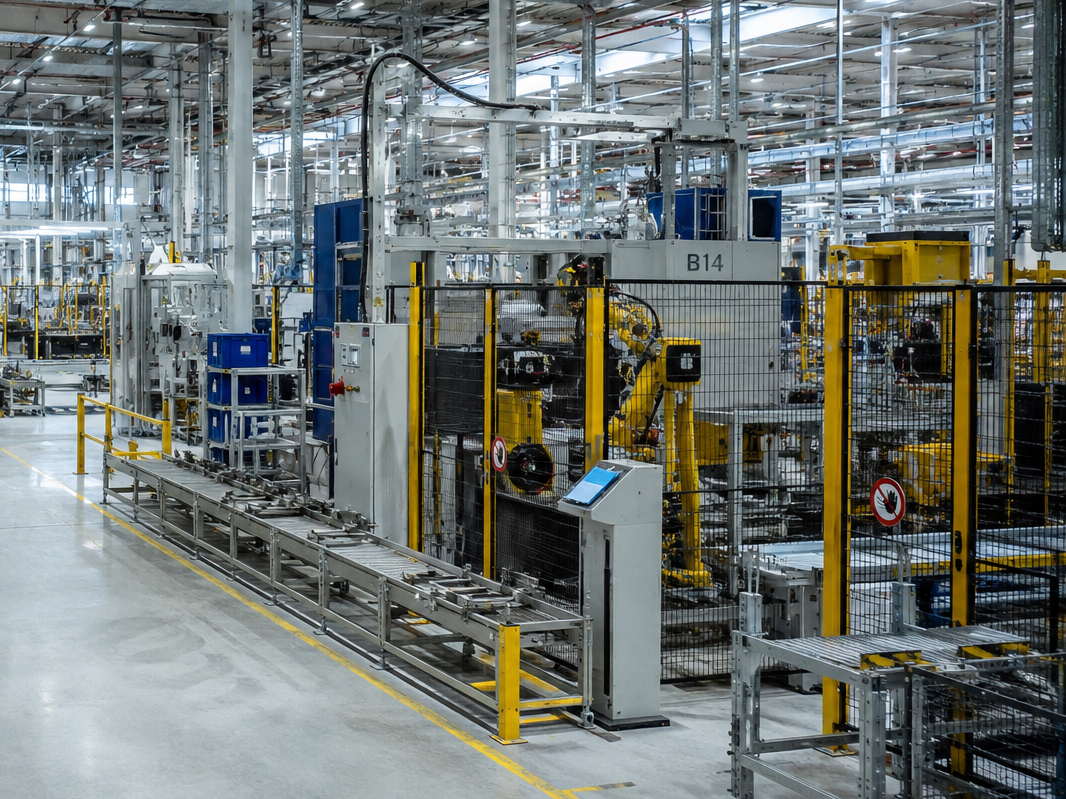
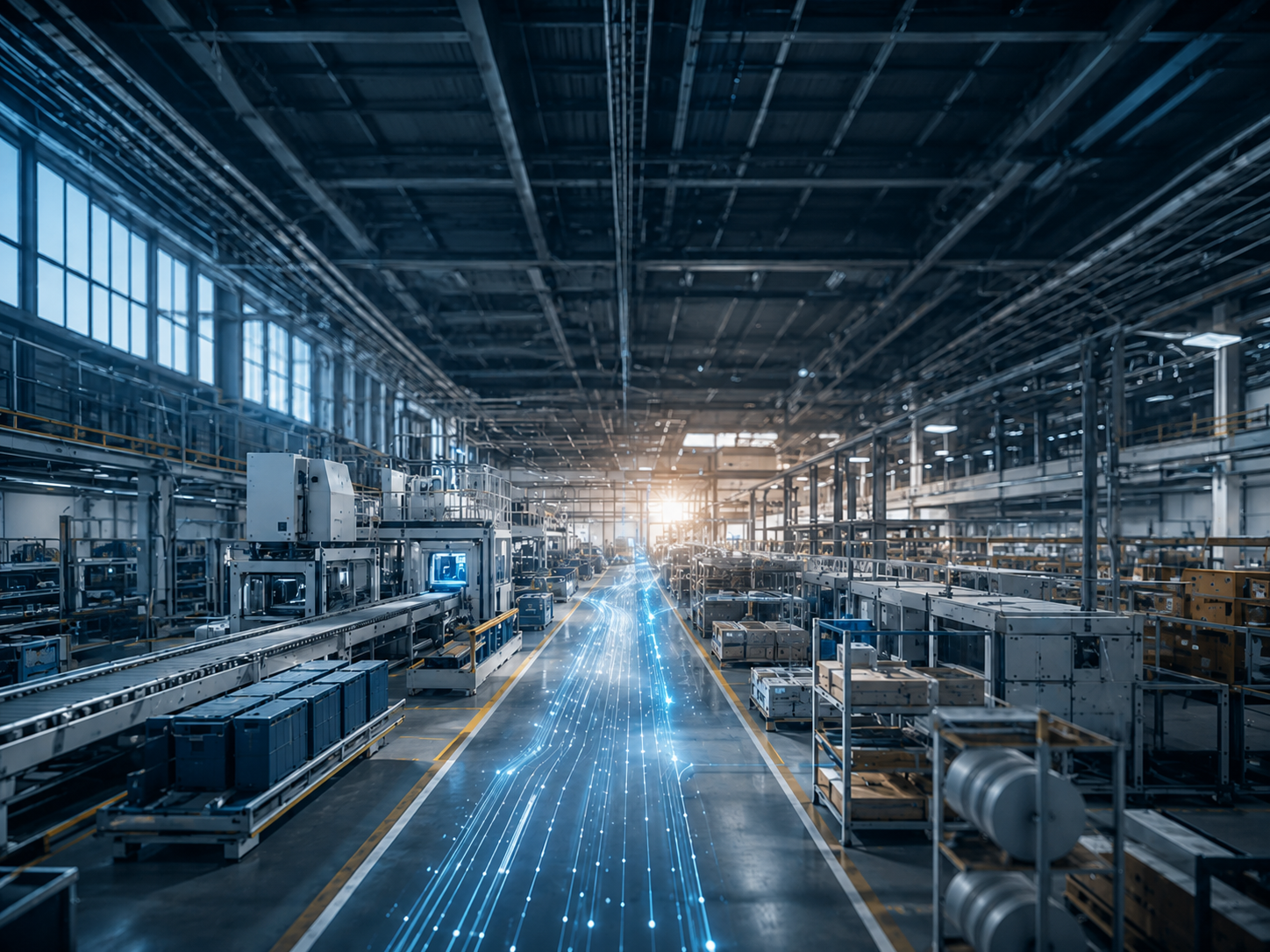
//AI Generated Picture
Many industrial companies are currently facing the same reality:
Too many plants, too little utilization – and a manufacturing footprint that no longer matches market dynamics.
What used to be acceptable is now becoming a profitability issue:
An inefficient footprint can quickly cost 2–4 percentage points of EBIT.
As a result, plant consolidation is moving into focus.
But companies that simply close plants are missing the bigger opportunity.
Consolidation Is Reality – But Often Reactive
The direction of the market is clear:
- Sites are being reduced and transformed.
- Capacity is being relocated to Eastern Europe, or production is being shifted to Asia.
- European plants are being consolidated.
These decisions are typically made under intense time pressure—and often reactively.
The risk: consolidation becomes nothing more than a cost-cutting exercise, rather than creating strategic value.
The key driver: Considering footprint and vision together
Leading companies take the next step.
They combine plant consolidation with a clear vision for their future production network.
The key question is no longer:
"Which plants should we close?"
Instead, it becomes:
"What should our future manufacturing footprint look like to remain competitive in the long term?"
The Lights-Out Factory: A Future Vision with Clear Implications
Die Lights-Out Factory ist dabei kein Buzzword mehr.
Einige Unternehmen betreiben bereits hochautomatisierte Fertigungen mit minimalem Personaleinsatz The Lights-Out Factory is no longer just a buzzword.
Some companies are already operating highly automated production facilities with minimal staffing and 24/7 operations.
However:
It is not a short-term transformation initiative.
The reality:
- A high degree of automation changes site selection logic
- Economies of scale become more important than labor cost advantages
- Production systems must be stable, standardized, and digitally integrated
The key insight: The Lights-Out Factory is not a project—it is a long-term direction of development.
The Most Common Mistake: Trying to Do Too Much Too Fast
Many companies underestimate the journey required.
Typical risks include:
- Overinvesting in technology before processes are stable
- Underestimating integration and IT complexity
- Lacking the capabilities needed for operations and maintenance
- Unstable production ramp-ups with negative impacts on delivery performance
The result: High capital expenditure, long ramp-up periods, and avoidable "tuition fees."
Successful Companies Take a Different Approach
Instead of a "big bang," successful transformations follow a clear principle:
1. Define the target vision
→ What does the end state look like? (Automation level, production structure, technologies)
2. Develop intermediate stages
→ Realistic implementation steps with clear learning curves
3. Manage investments strategically
→ Align capital expenditure with the transformation journey instead of investing everything upfront
4. Develop the organization in parallel
→ Build capabilities, processes, and IT alongside the transformation
The result:
- Lower risk
- Controlled capital expenditure
- Sustainable transformation
Plant Consolidation as the Ideal Starting Point
This is where the real opportunity lies.
Plant consolidation is the moment when companies are already redesigning their manufacturing footprint.
Those who seize this opportunity can:
- Not only consolidate plants, but fundamentally reposition them
- Standardize production systems
- Integrate automation in a targeted way
- Lay the foundation for the Lights-Out Factory
Companies that fail to do so often end up cementing existing inefficiencies—simply across fewer sites.
Speed Creates Better Decision-Making
Speed is a critical success factor.
Successful projects achieve the following within just a few weeks:
- Transparency on costs, capacities, and operational weaknesses
- Comparable scenarios for the future manufacturing footprint
- A robust business case, including capital expenditure and risks
- A clear implementation roadmap
The result: Well-founded decisions in less than six weeks.
Get in Touch
How are you evolving your manufacturing footprint: through consolidation alone, or with the Lights-Out Factory as your target vision?
Together, we can develop concrete footprint scenarios, build a robust business case, and unlock measurable improvements in cost, complexity, and EBIT — all within just a few weeks.