After the S/4HANA-Transformation: Realizing the Promised Efficiency Gains

Why aren't the expected savings materializing with the go-live?
The ERP transformation is complete, and the new system is running smoothly. A few months later, an initial assessment is often conducted. Management compares the actual results with the assumptions of the original business case. It is not uncommon for this to reveal a significant implementation gap. The expected efficiency gains fail to materialize, process costs do not decrease, personnel expenses do not develop as expected, and the projected improvements in working capital are also not achieved.
Our project experience shows that this is not an isolated case. The cause is usually not the ERP system itself, but rather the focus of the transformation. The technical implementation of the new system took center stage. The business potential resulting from optimized processes, clear lines of responsibility, and consistent management is often overlooked during the transformation. This creates a gap between the planned business case and the actual results achieved.
Why doesn't this implementation gap constitute a failure of the transformation?
ERP transformations are complex projects with their own set of challenges. As part of the transformation, processes are standardized according to ERP logic, data is migrated, and technical functions are transferred to the new system. The focus is on ensuring stable operations and the organization’s ability to function seamlessly throughout the process.
In this context, the comprehensive identification and implementation of opportunities for economic optimization often take a back seat. Once the ERP transformation has been successfully completed, the actual performance transformation begins. The task now is to analyze the new processes using the system data and consistently align them with efficiency goals.
How can the remaining potential be identified?
Using Process Analytics, we combine process, financial, and inventory data to create transparency across the entire end-to-end value chain in the new S/4HANA system. Anomalies can be traced down to individual materials, document line items, organizational units, and process steps. Process Analytics thus acts as an X-ray machine for operational value creation.
The analysis reveals unnecessary manual tasks, avoidable process loops, inappropriate planning parameters, excess inventory, unfavorable payment terms, poor-quality master data, and data inconsistencies. The data reveals the actual causes of inefficiencies and forms the basis for concrete, actionable improvement proposals. This results in a prioritized action plan with clearly quantified economic benefits.
Why isn't a new ERP system enough on its own?
Realizing the identified potential is not purely a technological task. Sustainable efficiency results from the interplay of technology, processes, organization, and management.
This requires clearly defined end-to-end processes as well as well-defined roles and responsibilities. Business and IT need a shared understanding of how value creation should be managed in the future. At the same time, process metrics must be continuously measured and made transparent through modern dashboards. This allows improvements to be permanently embedded in day-to-day operations.
How can the business case be realized following an ERP-transformation?
Identifying potential opportunities is the starting point. Economic value is realized through their consistent implementation. Every initiative requires clear accountability, a binding implementation plan, and data-driven performance monitoring. Progress must be continuously measured, and deviations identified early on. This is the only way to actually realize the planned potential.
Horn & Company guides you through this process from the initial analysis to verifiable results in the income statement and balance sheet. Our goal is to permanently close the gap between the planned business case and the actual results achieved.
Project Example: What Does a Successful Efficiency Program Look Like After an S/4HANA Transformation?
The following real-world example shows how the business case can be realized through data-driven process optimization following a successful ERP transformation.
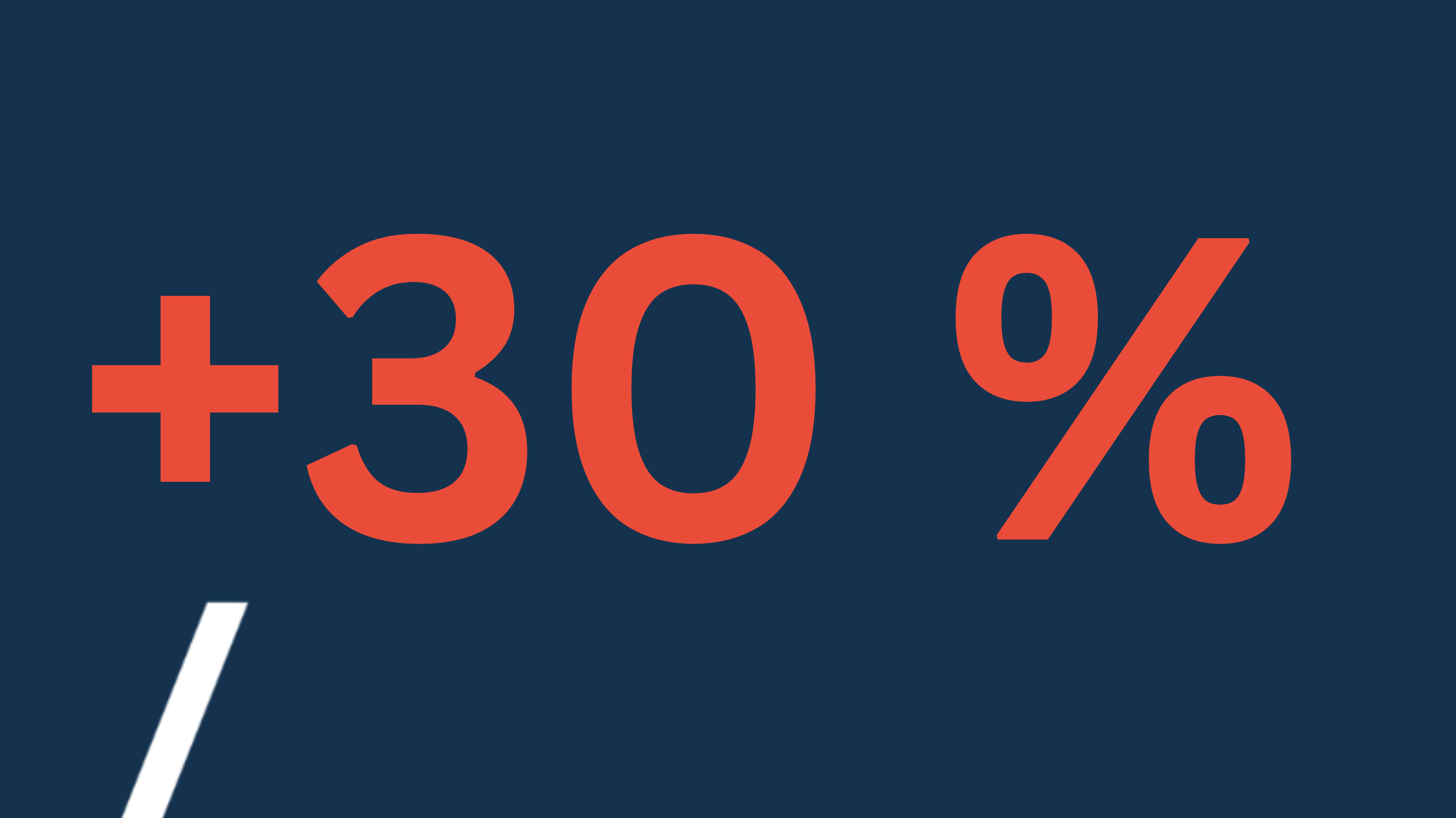
Increased Efficiency

Working Capital Reduction
What does this mean for businesses?
A successful go-live is an important (technological) milestone and marks the beginning of the next phase of development, which has a stronger focus on organizational and P&L aspects. The technical implementation of the ERP system lays the foundation for more efficient processes. Whether the originally planned business case is realized is determined during this period following the transformation.
Companies should therefore view the post-go-live phase as the start of an efficiency program. Using Process Analytics, Horn & Company identifies the remaining potential following the S/4HANA transformation and supports its implementation until the expected effects are realized in the income statement and balance sheet.
Ready to take the next step?
Whether you’re just starting to think about it or have concrete plans — we’ll listen, ask questions, and work with you to develop your ideas further. In a no-obligation initial consultation, we’ll assess where you stand and how we can support you.

Note: The images on this website were created using artificial intelligence (AI).