Exit Readiness for Family Businesses: Creating More Value Before the Exit

Why Exit Readiness Begins Long Before the Sales Process
A family business isn't sold like an asset. You're handing over responsibility, history, employees, and often a life's work. That's exactly why it's not enough to start thinking about the sale only once the process has already begun.
Family-owned businesses are the backbone of the German economy. Over 90% of all companies in Germany are family-owned; they employ about 58% of all employees subject to social security contributions and generate more than half of the total revenue of the German private sector [1]. What these figures don't show: Every year, about 30,000 of these companies are set to undergo a change in ownership[2]. Some of them are planned, but many are not. And almost all of them are more complex than they appear from the outside.
After all, behind every transaction is a family that is not just selling a business. They are making a decision that goes far beyond the purchase price. Which buyer is a good fit for the existing workforce, the regional locations, and the corporate culture that has evolved over the years? The goal is therefore rarely purely financial. It’s about placing the company in the right hands while ensuring that their own vision for continuity and the future is realized.
Experience gained from advising on numerous business sales in the retail and consumer goods sectors shows that families who truly live up to this standard have one thing in common: they started early. They started early. Not early with the process, but early with the actual work.
How does Horn & Company help family-owned businesses prepare for a transition?
Horn & Company does not approach its clients as a purely transaction-oriented advisor, but rather as an entrepreneurial sparring partner on equal footing. Our teams have many years of experience in the retail and consumer goods sectors, backed by firsthand industry experience. Many of our consultants have worked in companies themselves or held leadership roles. As a result, they understand not only the requirements of potential buyers but also the concerns that owner families, management, executives, and employees have during such phases.
Another difference is the nature of our collaboration. Our project teams are deliberately staffed with senior professionals, and the partners in charge are closely involved in the day-to-day operations. They are on-site, work closely with decision-makers, and ensure that open issues are resolved quickly and decisions are thoroughly prepared. We develop effective solutions together with you and your teams—from setting the course to implementation. Our goal is not merely to deliver concepts, but to roll up our sleeves and get to work alongside the decision-makers and the organization.
Before we dive deeper into the topic, it’s worth providing some context. Selling a business is not a one-time event, but rather a life cycle that often spans years and involves very different tasks at various stages. Horn & Company supports entrepreneurial families throughout this entire cycle, from the initial strengthening of operations — long before any thoughts of a sale arise — all the way through to post-closing support.
Specifically, this means five interrelated areas:
Every family is at a different stage of this cycle. Some are considering a sale for the first time. Others are on the verge of the sales process and need reliable documentation. Still others have just completed a sale and are facing the question of how to proceed operationally. This text focuses primarily on the first two areas, as they set the course for everything that follows. However, it is embedded in a broader understanding of what is possible throughout the entire life cycle. The key areas of consulting are summarized in this overview.
Why Company Value Is Created Before the Sales Process Begins
As soon as a company enters a structured sales process, the rules of the game change fundamentally. What has worked pragmatically internally for years must suddenly be explainable to external decision-makers. Buyers — whether strategic acquirers, financial investors, or long-term-oriented family offices — do not value intentions. They value execution. Anything that has not been realized is viewed as a risk, with direct consequences for price, negotiating position, and the stability of the entire process. Those who buy under time pressure factor in uncertainty. Those who factor in uncertainty pay less or impose more conditions.
In practice, it has been shown that companies with a structured sales preparation process achieve better valuation multiples than those without one. The greatest driver of a successful sale, therefore, is not found in the data room. It lies in the twelve to twenty-four months leading up to it.
What mistakes can jeopardize a successful business sale?
Our experience in supporting sales processes shows that good companies often fail to realize their full value potential in sales because they start preparing too late. Three patterns stand out in particular. In almost every company, there are issues that are known internally but have never been consistently resolved. These might include excessive customer concentration, a product segment that contributes little to earnings, or a working capital level that has grown over time and that no one can really justify. In day-to-day operations, there are other priorities. In the sales process, such issues quickly become a burden. Buyers view them not only as operational weaknesses but also as risks to the purchase price, guarantees, or earn-out structures. Those who identify these issues early on and address them systematically, however, do not come across in the process as someone who has to explain things, but rather as someone who knows their company, manages it effectively, and has improved it. Almost every company has segments, customers, or products that generate revenue on paper but structurally contribute too little to earnings. These issues are often known internally but are rarely addressed consistently because operational pressures set other priorities. They become apparent during the sales process, and buyers interpret them as a sign of a lack of management discipline. On the other hand, companies that start early to streamline their portfolio, optimize working capital, and structurally strengthen margins create a profit situation that speaks for itself, without the need to defend it. Every family-owned business knows the potential of its company. But buyers don’t pay for potential that they themselves must first realize. They pay for operational maturity, for developments that have already begun, and for measures that are already reflected in the numbers. A growth story isn’t created in the process itself. It’s created in the months leading up to it, through concrete operational steps that move the company in the direction the buyer wants to see.1. Postponed homework:
2. Untapped earnings potential:
3. An unsubstantiated growth story:
The paradox is this: The measures that truly prepare a company for a sale are the very same ones that simply make it a better company. Clearer management, a more focused portfolio, and more robust cash generation strengthen the company and lay the groundwork for a compelling sales process.
Starting early doesn't mean selling early.
All of this sounds like a clear case for early preparation. And yet, in practice, we encounter the same objection time and again. Anyone who talks about preparation before a decision has been made feels like they’re making a decision that hasn’t even been made yet.
These concerns are valid. But they don’t argue against early preparation; they argue for a discreet, structured approach to it. After all, preparation doesn’t create constraints. It creates options. Those who have a clear vision of the goal, understand the relevant value drivers, and know which buyer truly fits with the family and the company’s future can shape the outcome at the decisive moment, rather than merely reacting. Discretion is not a limitation here, but a guiding principle that can be built into any serious preparatory work from the very beginning.
Exit Readiness Through Process Architecture and Operational Value Enhancement
What sets our structured preparation process apart from traditional M&A advisory services is not the quality of the documents produced at the end. It is the point at which the work begins and the way it is organized. Most advisors come on board once the process is already underway: fact book, data room, investor pitch. These are important tools. But they are the end of a journey, not the beginning. Those who start only then work with whatever the company happens to bring to the table. Those who start earlier shape what the company brings to the table.
At Horn & Company, we support family-owned businesses from the definition of strategic goals through to operational implementation — tailored precisely to the company’s starting point, ambitions, and culture. In doing so, we work along two parallel tracks that run together from the very beginning and reinforce one another. The first strand begins with the development of a clear vision: These questions set the direction for everything that follows. Building on this, an independent analysis of the company is conducted from an outside perspective — just as an experienced buyer would view it. Profitability by customer, product, and segment. Quality of cash generation. Robustness of management systems. Where are the levers that are known internally but have not been addressed? In the third phase, process preparation is built upon this foundation: refining the equity story, creating a commercial factbook, and selectively targeting buyers. And finally, support through to closing, from the first investor contact to the signing. The second strand runs parallel from the very beginning and does not end until the agreement is signed: the operational strengthening of the company. This includes working capital optimization, streamlining the customer portfolio, improving margins, more transparent management processes, sustainable growth, and better cash generation. These are not preparatory measures for a process. They are business improvements that substantially strengthen the company, regardless of what is ultimately decided.Process Architecture
Strengthening the Company's Operations
The key lies in the interplay between these two strands. An equity story is only as strong as the numbers behind it. A factbook is only as convincing as the reality it describes. A buyer’s strategy takes shape as the company’s operational substance becomes clearer. Those who pursue both strands simultaneously achieve something that would not be possible on its own: a company that does not need to be explained during the process, but speaks for itself.
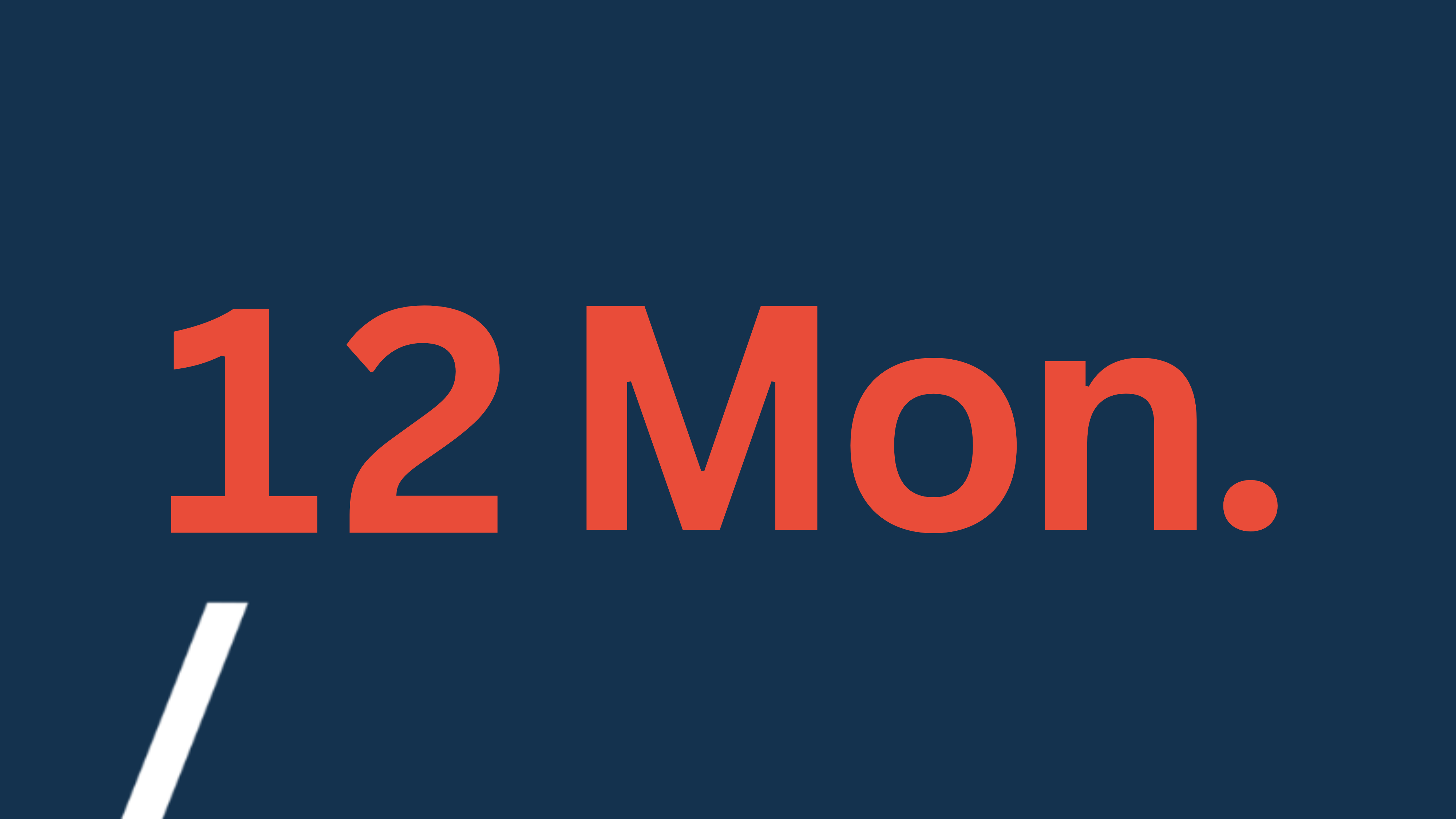
Case Study: How a Wholesaler Became Exit-Ready in 12 Months
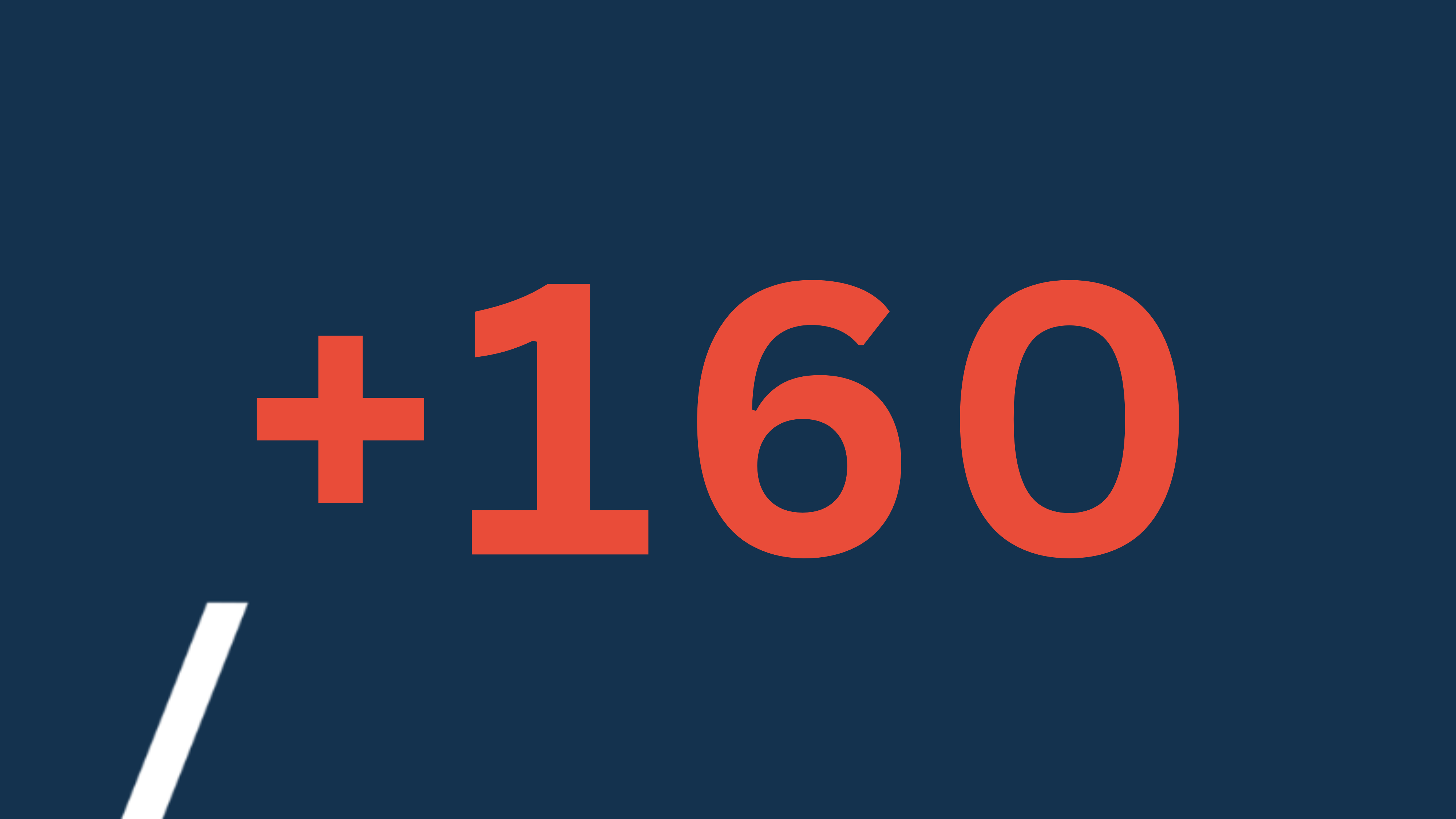
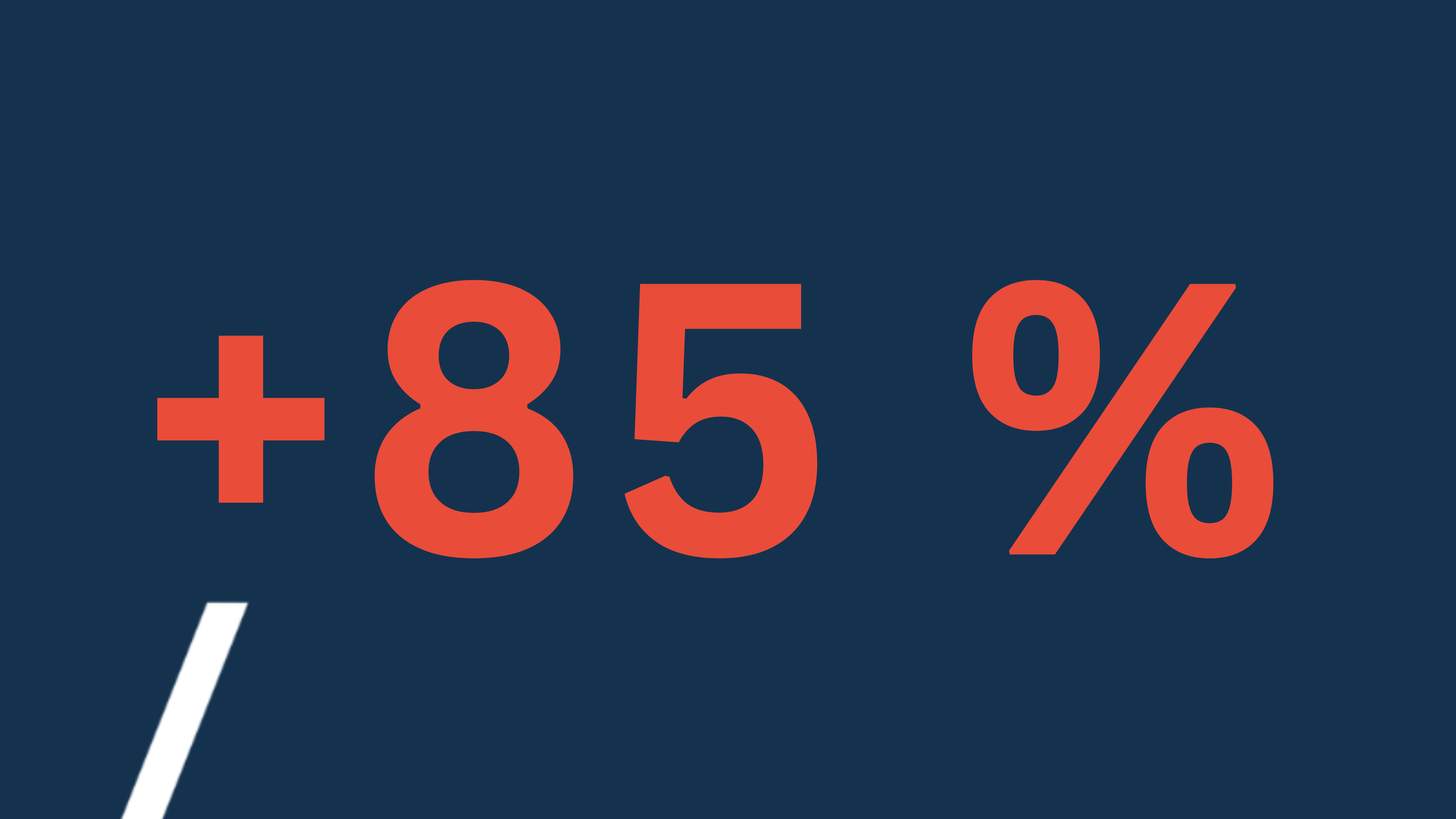
Project Results at a Glance
Exit Readiness begins before sales pressure arises
If you want to properly prepare for the sale of a company, you can’t wait until the process begins. Otherwise, you’ll be working under time pressure. The price, your negotiating position, choosing the right buyer, and the confidence that the company will truly end up in the right hands, none of this stems from the bidding process itself. It all comes down to the work done beforehand.
The example of the medium-sized wholesaler shows what early and structured preparation makes possible in practice. Not only a better financial outcome, but a process in which you don’t merely react, you shape the outcome. A process in which you know what you have, what you want, and which buyer is truly the right fit. A process in which the family ultimately made a decision from a position of clarity, not under pressure. This outcome is no coincidence. It is the result of preparation that knew exactly when to do what—and why.
How Horn & Company Ensures Exit Readiness
Exit readiness in family-owned businesses requires more than just M&A experience. It requires industry expertise, operational depth, and an understanding of the unique dynamics of owner-managed companies. Horn & Company combines these perspectives: with experienced, senior-led teams, strong access to decision-makers, and a working style that integrates closely with the organization. We don’t develop solutions on the drawing board, we develop them together with the people who will ultimately have to implement and execute them.
Non-binding initial consultation on exit readiness
// CONTACT US
Where does your company stand today?
Are you planning an exit or looking to position your company for one in the future? Together, we’ll identify the key factors for increasing value, enhancing the company’s appeal to buyers, and ensuring a professionally managed sales process.