Comprehensive cost and performance program to strengthen the company's competitive position

The brief glimmer of hope for a modest economic recovery in the industrial sector has been dulled, at the very latest, by the conflicts in the Middle East and their significant impact on the energy sector and the global economy. On the contrary, pressure on the industrial goods sector in particular has increased dramatically once again.
Further increases in energy and raw material costs, along with rising inflation and reluctance to invest, are pushing down sales and earnings forecasts for industrial goods manufacturers and their suppliers even further. Companies face the challenge of re-evaluating and adjusting their costs, structures, and capacities to ensure their viability. At the same time, their ability to deliver, their flexibility, and the quality of their products must not be compromised.
Why do cost-cutting programs often fall short?
Our many years of experience in cost-reduction projects and our ongoing observation of the market clearly show that traditional rightsizing or cost-cutting often falls far short of the mark and is frequently associated with significant risks. The problem is that these programs lack sustainability, bring about little change within the organization, and rarely address the company’s true weaknesses. At the same time, in current practice, traditional programs often remain the first choice.
What are the typical problems and mistakes associated with traditional cost-cutting programs?
- Many initiatives primarily target short-term EBIT effects and are not sufficiently embedded in the system.
- Staff is reduced in proportion to declining revenue, without considering changes in product mix or complexity.
- Critical minimum sizes of functional units are undercut, making them no longer operational or sufficiently capable.
- Common industry benchmarks are used without taking into account the company’s specific business model, conditions, or other particularities.
- Processes, roles, and organizational structures are not adjusted in parallel, allowing inefficiencies in processes and structures to persist or newly emerge.
- Switching to best-cost suppliers often results in quality requirements not being met or significantly higher logistics efforts and risks.
- Sites and departments are downsized in terms of personnel, while assets and structures largely remain unchanged.
The result: While personnel and variable costs are reduced, efficiency, productivity, and quality are also diminished. In addition, additional expenses are sometimes incurred, and fixed costs remain unchanged. Ultimately, actual manufacturing and process costs are barely reduced — or even rise again in the medium term (“cost bounce back”) — and there is no significant improvement in competitiveness. Often, the next program is launched after 18–24 months.
Our conclusion: We need an approach that maximizes the impact on key cost drivers while simultaneously enhancing the company’s efficiency and performance.
How can we achieve sustainable cost reductions and increase competitiveness?
If you want to reduce costs in a sustainable way, you must not only focus on excess staff, capacity, and costs, but also keep efficiency and performance in mind. An effective cost-cutting program must always be implemented in conjunction with a performance improvement initiative:
Cost-Down & Performance-Up Approach
In a comprehensive cost and performance program, it is essential not only to identify opportunities for cost reduction but also to pinpoint the supporting levers for improving efficiency and performance, and to develop concrete measures based on these findings. Which levers and measures are appropriate must be examined and determined on a case-by-case basis for each company.
Typical efficiency and performance levers that we frequently observe in the industrial goods sector include:
Since companies are typically facing tight cash flow at the outset of a cost-cutting initiative, it is advisable to include a cash-generating component, such as an inventory reduction module. This can free up capital in the short term to help finance the overall program.
What are the Key Success Factors for a Cost and Performance Program?
- Ownership among leadership and clear anchoring of targets within the organization.
- Combination of a top-down approach with a clearly defined level of ambition and a bottom-up execution involving operational teams.
- Consistent monitoring through KPI impact tracking, implementation progress, and regular reviews.
What makes Horn & Company’s integrated cost-performance approach unique
Horn & Company has been helping industrial companies improve their cost structures, operational performance, and financial results for many years. Thanks to our strong business acumen combined with deep operational expertise, we can provide our clients with comprehensive advice across all areas to improve their SG&A and COGS. This applies to both the design and implementation phases. To this end, we have developed our integrated Cost-Down & Performance-Up program, which has already proven its effectiveness in a wide range of projects for various clients.
Our Program Follows an Integrated, 3-Tier Approach:
1. Quick Impact
- Procurement levers
- Working capital measures
- Immediate fixed-cost reduction program
2. Structural Improvements
- Streamlining of overhead structures
- Optimization of production systems
- Stabilization of end-to-end processes
3. Systematic Integration
- KPI-based management
- Performance dialogues
- Shopfloor management
Our Proven Approach Model Consists of Four Phases:
1. Fact-based diagnosis to identify value drivers (4 weeks)
- Analysis of cost structures and performance
- Identification of inefficiencies (e.g., OEE, inventories, lead times)
- Internal and external benchmarking
- Derivation of key levers and quantification of total potential
2. Design of the measures and transformation program (5–7 weeks)
- Combined cost-down and performance-up measures
- Clear target states for each function (overhead, production, SCM, procurement)
- Definition of target KPIs and savings per area
- Definition of an immediate action program and implementation roadmap
3. Implementation and performance improvement (9–15 months)
- Close collaboration with line management
- Support through PMO and change management
- Tracking of progress and impact
- Course correction
4. Anchoring and stabilization (3 months)
- Implementation of appropriate management systems
- Coaching of leadership
- Building internal capabilities
What Makes this Approach Unique and Particularly Successful for Companies:
- Linking cost and performance
- Integrated transformation instead of isolated measures
- Holistic approach across all areas
- Deep operational penetration
- Sustainability instead of one-off effects
- Clear ambition and high speed
Performance improvement through integrated cost and performance approaches
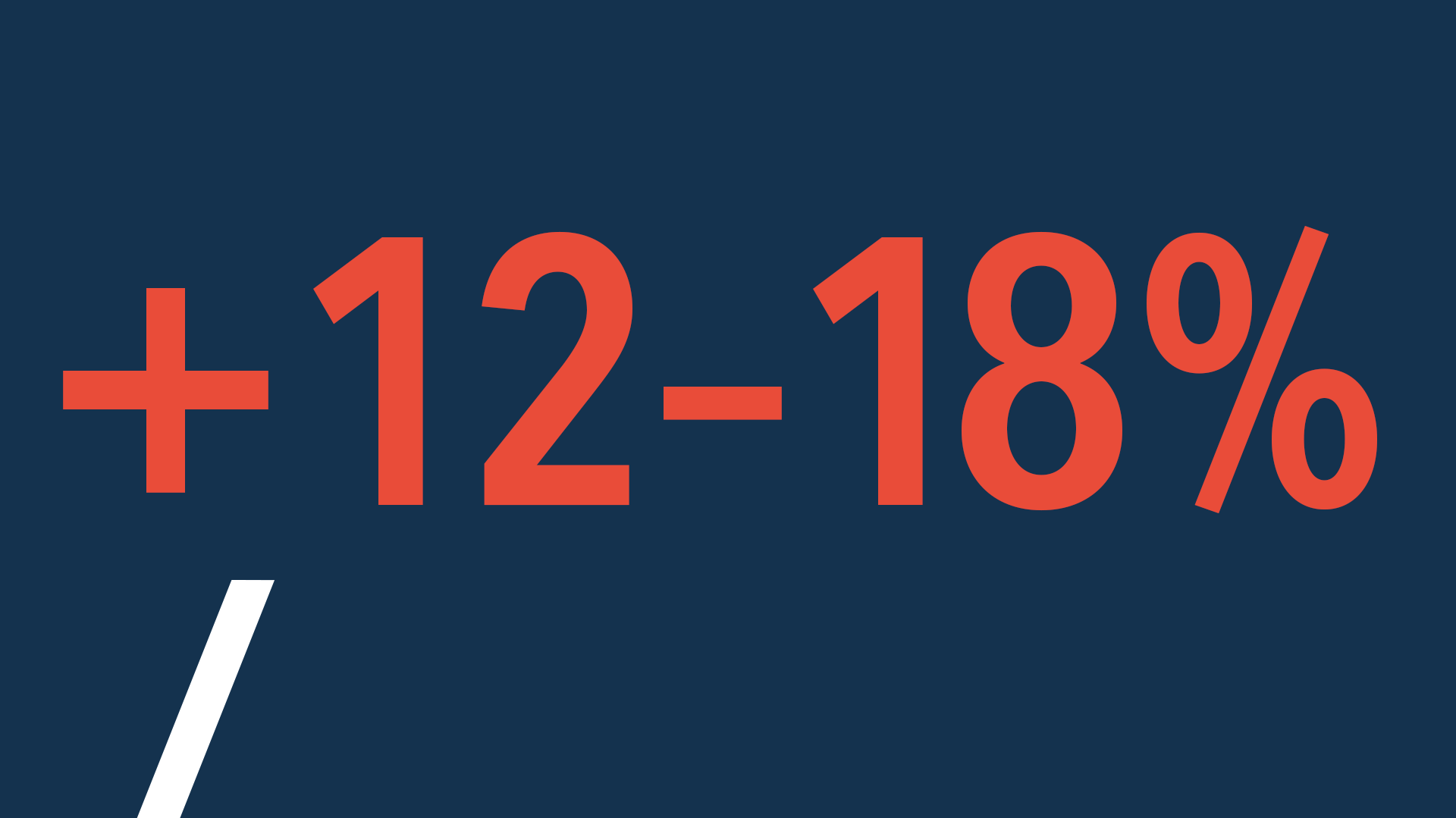
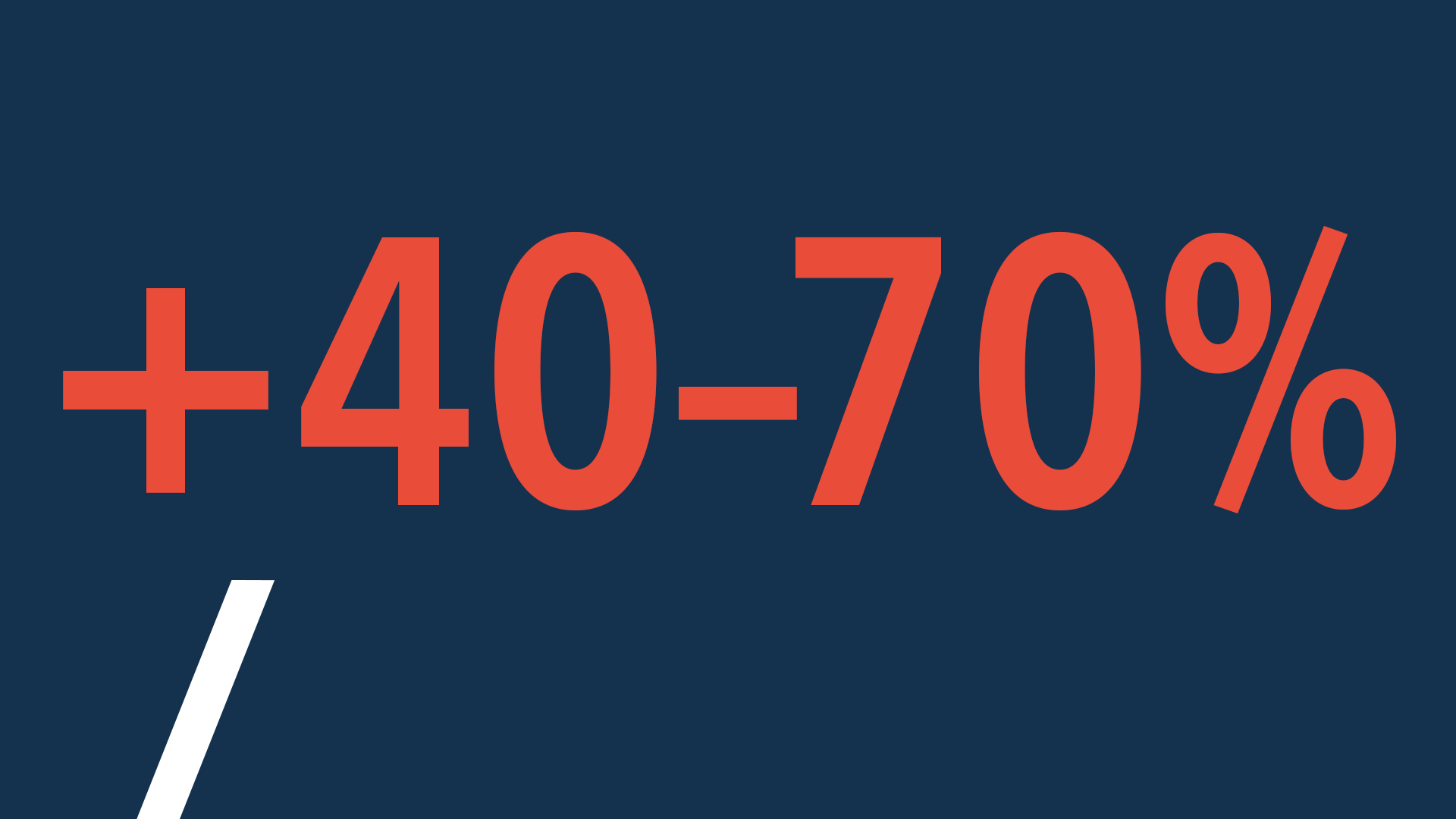
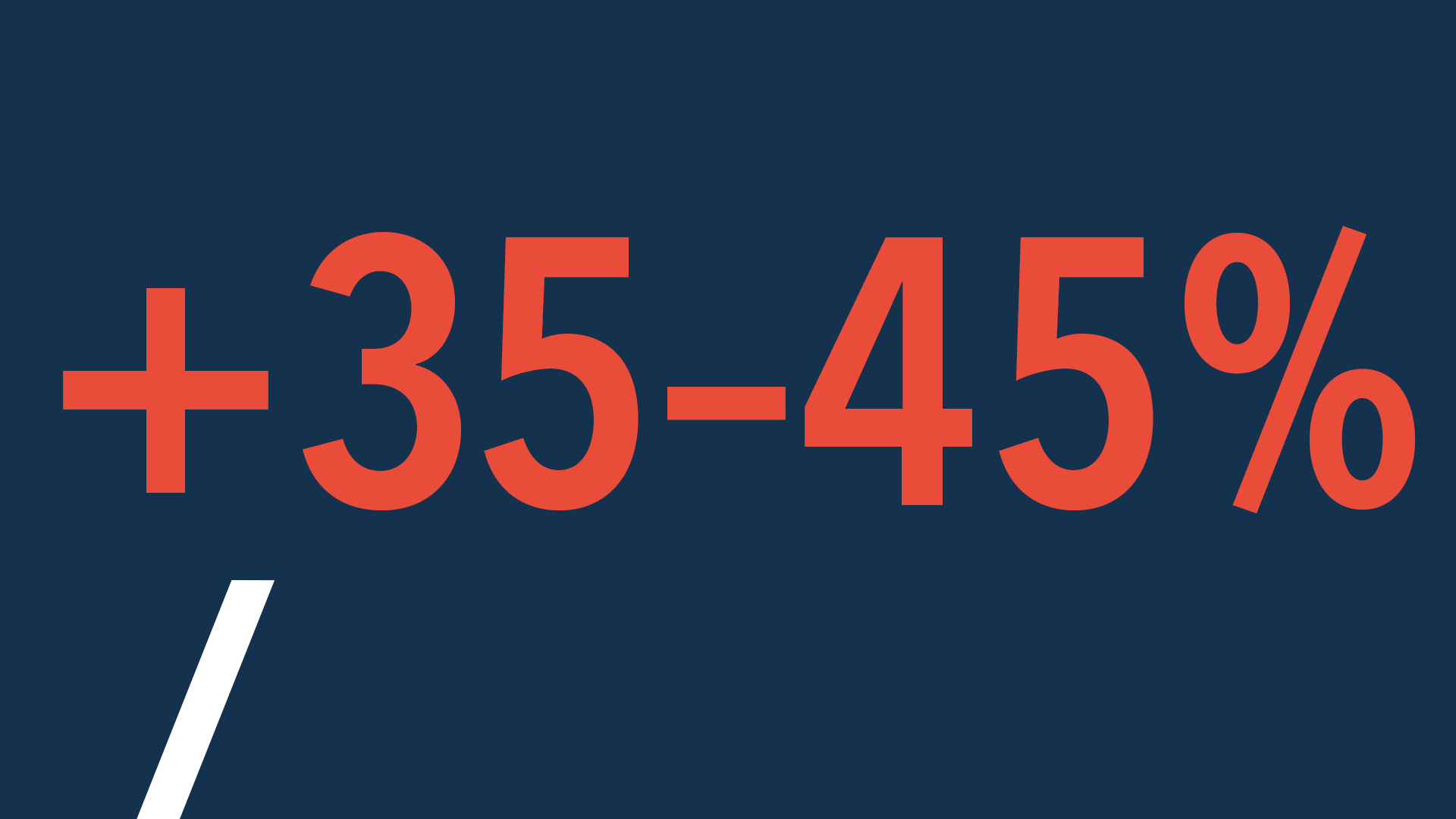
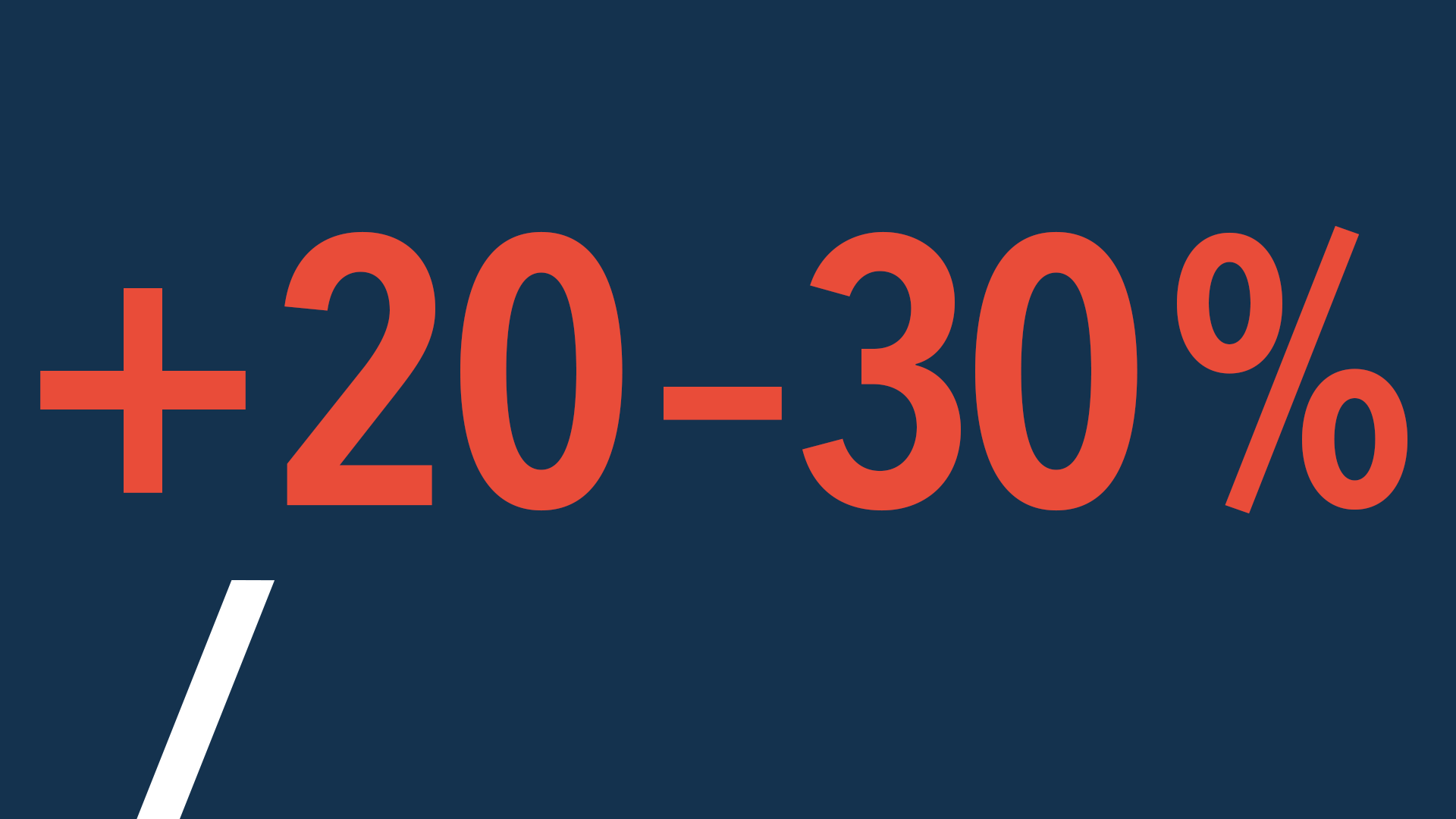
In our experience, integrated cost & performance programs can achieve significant improvements in results:
Identify Cost and Efficiency Potential
Whether initial ideas or concrete plans – we listen, ask the right questions, and develop them further together. In a non-binding initial discussion, we clarify where you stand and how we can support you.
Conclusion
Traditional cost-cutting programs are typically very limited in their impact, fall short, and are rarely sustainable.
Our recommendation: companies need to undergo a shift in perspective — away from short-term cost-cutting initiatives toward an integrated cost & performance transformation. This way competitiveness can be structurally improved and the company’s cost position sustainably enhanced.