Automotive in North Africa: Four Markets on the Rise

North Africa is becoming increasingly important to the automotive industry. The region combines geographic proximity to Europe with competitive costs, new industrial investment, established supplier capabilities and the potential for greater localization of value creation. This makes it an increasingly attractive nearshoring option, particularly for European production networks.
However, North Africa is not a single, homogeneous automotive location. The four key markets play distinctly different roles:
- Morocco is an established export hub,
- Egypt is expanding vehicle manufacturing and assembly,
- Tunisia is an important location for automotive components, and
- Algeria is developing local production and supplier structures.
For manufacturers and suppliers, the key question is therefore not simply which country is the most attractive. Two dimensions matter: What role should a location play within the production network, and what level of industrial maturity has it reached? The location’s role determines the strategic rationale; its maturity determines the operational management agenda.
Why North Africa is gaining importance as an automotive location
Morocco demonstrates how far an automotive location in North Africa can develop. The country combines export-oriented vehicle production with a growing supplier network and strong logistics infrastructure. Renault reported production of more than 394,000 vehicles in Morocco in 2025, with its Tangier plant benefiting in particular from close integration with suppliers and port infrastructure.1
Proximity to the European market, however, is only one part of the location advantage. It is the combination of competitive costs, a strong supplier base, logistics capabilities and stable production processes that makes Morocco an attractive nearshoring option.
Investment activity is also increasing beyond Morocco. In Egypt, local assembly and manufacturing capacities are being expanded, while new projects for hybrid and electric vehicles are emerging. In November 2025, the Egyptian government reported the start of construction of a Mansour Group plant with an initial planned capacity of 50,000 vehicles per year.2 Nissan already manufactures in the country and has expanded its model portfolio to include the Magnite.3
In Algeria, Stellantis increased production at its Tafraoui plant from 17,000 vehicles in 2024 to 53,000 in 2025 and is targeting annual capacity of 135,000 vehicles by 2028.4 These are corporate targets and not guaranteed production volumes.
Tunisia follows a different model. Rather than being a major center for final vehicle assembly, the country is an important location for components, electronics and increasingly sophisticated industrial activities. As engineering capabilities expand, so do the requirements for productivity, quality and workforce skills.
Four markets, four different management agendas
The different starting points of these markets translate into distinct priorities for OEMs and suppliers.
Morocco: Scale and optimize.
With established plants, supply chains and export structures, the focus is on productivity, automation, material flow, quality and increasing local value creation. The challenge is to enable further growth without simultaneously increasing complexity and the cost of poor quality.
Egypt: Industrialize new capacity.
New plants and model launches require realistic ramp-up plans, robust supplier qualification and clear accountability. What matters is not the capacity announced on paper, but the ability to translate it into stable series production on schedule.
Tunisia: Advance supplier capabilities.
For established component plants, conversion costs, delivery performance and quality matter just as much as technical and engineering capabilities. The next competitive advantage will not come from cost alone, but from process excellence, automation and highly skilled teams.
Algeria: Build local value creation.
The expansion of vehicle manufacturing creates demand for local suppliers, process approvals, quality standards and capacity management. Localization means more than sourcing locally: a sustainable value chain only emerges when suppliers are successfully industrialized and capable of meeting series-production requirements.
A further effect is particularly relevant in Egypt and Algeria: new OEM capacity can trigger additional investment along the supply chain. As new vehicle plants are established, the need to localize components and develop suppliers on the ground increases. Individual investments can therefore gradually evolve into industrial clusters.
Industrial maturity determines the operational agenda
In addition to a location’s role, its level of industrial maturity is critical. A new plant in an established automotive market may face challenges similar to those of a greenfield project in a less mature market. Conversely, a supplier plant that has been operating for years will have very different priorities from a newly established facility in the same country.
Broadly speaking, two phases can be distinguished:
Build & Ramp: During the build-up and ramp-up phase, priorities range from footprint and investment decisions to greenfield development, supplier development, SOP, ramp-up and localization. The focus is on operational readiness, stable production launches and supply chain qualification.
Optimize & Scale: As operations mature, the focus shifts toward operational excellence, automation, cost reduction, productivity improvements and footprint optimization.
For companies, this means there is no single North Africa strategy. The right management agenda depends on the combination of a location’s role and its level of industrial maturity.
New capacity does not automatically mean competitive production
During the build-up and ramp-up of new production structures, operational challenges often arise at the interfaces between production, supply chain, quality and planning. If deviations are not identified and addressed early, they can lead to backlogs, premium freight, quality costs and delivery issues – and ultimately to a loss of customer confidence.
Successful industrialization is therefore also a matter of orchestration. OEMs, plants, suppliers and central functions need shared milestones, clear responsibilities, robust escalation paths and a consistent data foundation.
In critical ramp-up situations, stabilization often follows a straightforward logic: establish transparency, regain operational control, stabilize production and then improve structures sustainably.
Long-term excellence programs fall short if there is no basic transparency regarding output, bottlenecks, quality and progress on corrective actions. At the same time, a successful ramp-up alone is not enough to make a location sustainably competitive. As operations stabilize, productivity, automation and processes must be systematically advanced.
The business case also needs to be robust
The industrial attractiveness of a location is only one side of the investment decision. Exchange rates and financing conditions, regulatory requirements, as well as the availability of energy, logistics infrastructure and skilled labor can have a significant impact on the economics of an investment.
Market size, announced production capacity and sales potential that can realistically be captured in the short term are also not the same thing. A robust investment decision should therefore consider scenarios for demand, ramp-up duration, utilization, localization levels and supply chain resilience.
Expected unit-cost advantages alone are not enough. The decisive question is whether the location remains competitive under realistic ramp-up and risk scenarios.
Where operational consulting creates value for automotive companies
Between location strategy and stable series production lie some of the most challenging management tasks: footprint decisions need to be translated into investment programs, suppliers need to be developed, production processes industrialized, ramp-ups stabilized, and productivity and quality continuously improved.
Horn & Company supports automotive manufacturers and suppliers throughout this journey – from footprint strategy and industrialization to ramp-up, supplier development and sustainable performance improvement. The focus is on operational implementation across production, logistics, quality and planning, delivering measurable results.
Two anonymized project examples illustrate the different starting points:
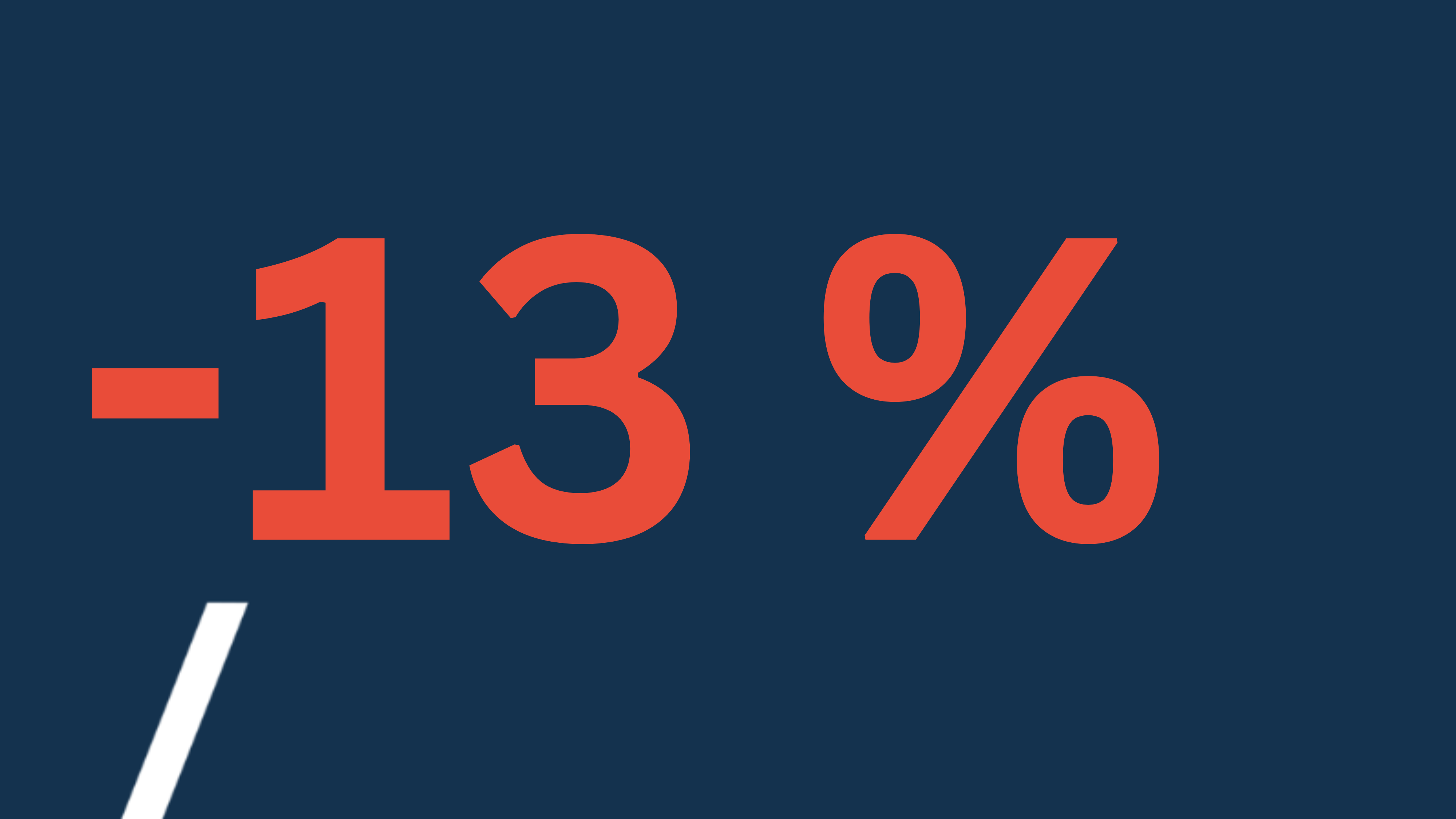
At an automotive Tier 1 supplier in Tunisia, production had long been established; the challenge was competitiveness. High conversion costs could not be attributed to a single process. Production losses, material flow, quality issues and the alignment of demand and capacity were closely interconnected. Rather than analyzing these issues one after another, the project addressed them directly within ongoing operations. Together with the local teams, deviations were made transparent, bottlenecks prioritized and improvements implemented directly on the shop floor. What initially appeared to be a cost issue ultimately became a matter of operational process control.5
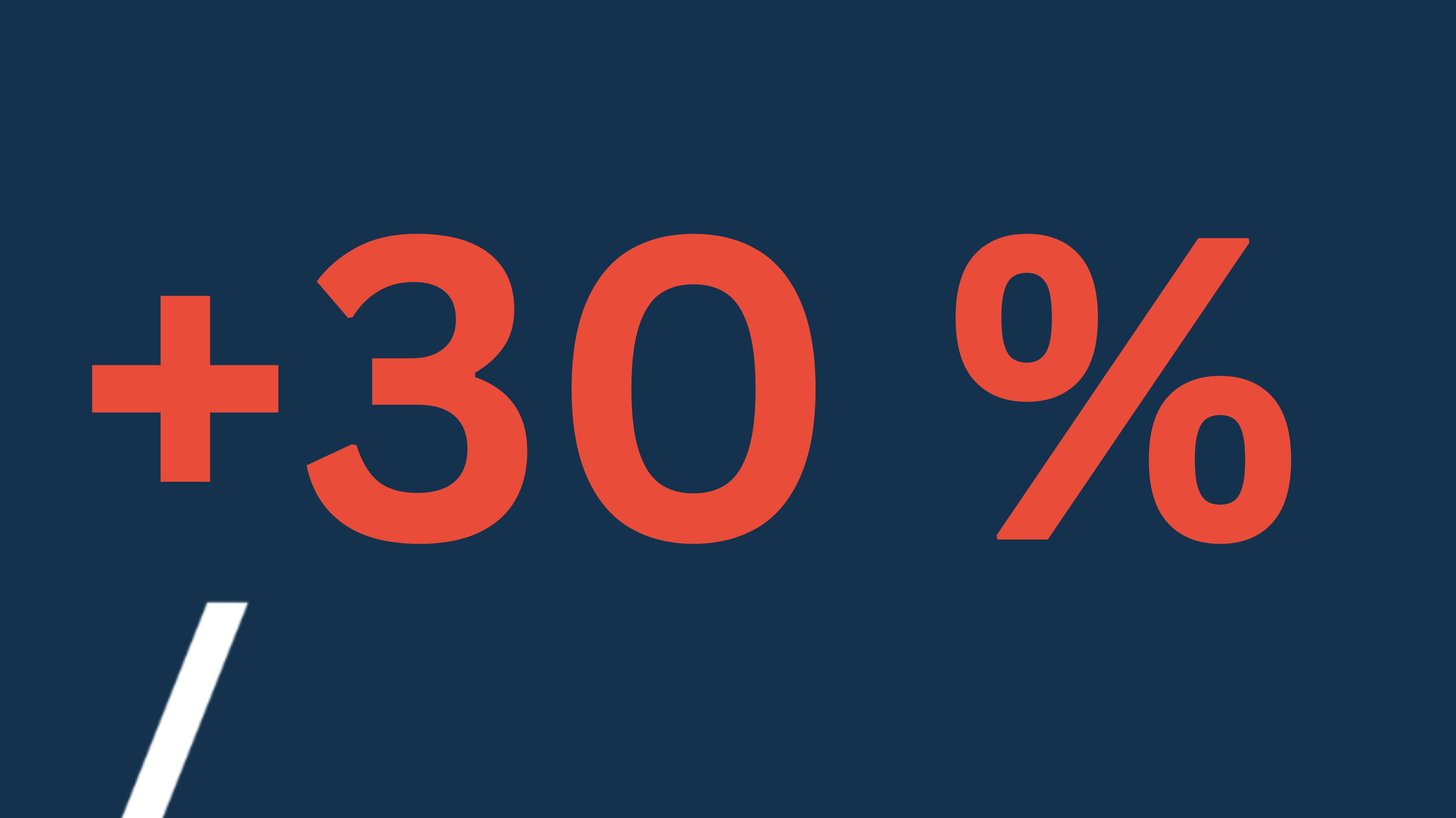
In Morocco, the starting point was different. During the ramp-up of a new product, operational stability came under pressure – and with it the OEM’s confidence. At the same time, existing series production had to continue. The first priority was therefore not to optimize the site, but to regain control of the ramp-up. This required a shared view of actual performance, clear accountability for deviations and reliable communication between the plant and the customer. Only as stability improved could the focus shift from short-term problem solving to sustainable process improvement.5
Both examples demonstrate the same underlying principle: sustainable improvement is achieved by creating transparency, establishing clear accountability, systematically managing deviations and implementing measures directly where operations happen.
5 The project examples are based on internal, anonymized Horn-&-Company-Unterlagen; key figures and client names have been intentionally withheld.
Ready to take the next step?
Whether you have initial ideas or concrete plans, we listen, ask questions, and develop them further together. In a non-binding initial consultation, we clarify where you stand and how we can support you.