Automotive Turnaround Programs: Improving Cash Flow

Why traditional savings plans often reach their limits
Many industrial companies initially respond to economic pressure with across-the-board cost cuts or isolated, one-off measures. However, the impact is often limited or disappears after only a short time because these measures fail to address the key drivers of earnings and cash flow.
Common causes include:
- Lack of transparency regarding profit and cash flow drivers
- Isolated optimization initiatives without integrated overall management
- Focus on short-term savings rather than structural improvements to the cost base, processes, and performance
- Across-the-board reduction of personnel and operating costs without adapting the organization and processes
- Lack of prioritization based on impact on earnings, liquidity effect, feasibility, and risk
- Too slow implementation of critical measures and lack of consistency in controlling
The result: the cost base is reduced only superficially. At the same time, new inefficiencies, quality risks, or operational instability arise. Savings evaporate, fixed costs remain, and structural profitability issues resurface after a short time. Often, the next program follows after 18 to 24 months, with declining acceptance within the organization and limited impact on competitiveness.
Our conclusion: Sustainable improvements in earnings can only be achieved when cost reduction and operational performance improvements are considered together. This requires transparency regarding the true drivers of earnings, clear prioritization, consistent implementation, and structural adjustments. In this way, efficiency, quality, and delivery capability can be strengthened on a lasting basis.
Where is the greatest potential for earnings and cash flow?
The greatest potential rarely lies in just one area. What matters is taking a holistic view of the entire value chain and prioritizing based on the impact on results.
Key areas of focus include:
Material Costs and Procurement
In procurement in particular, there is often potential for quick gains through:
- Consolidating purchasing volumes
- Renegotiating with suppliers
- Design-to-cost and value engineering approaches
- Reducing product variants and complexity
- Optimizing make-or-buy decisions
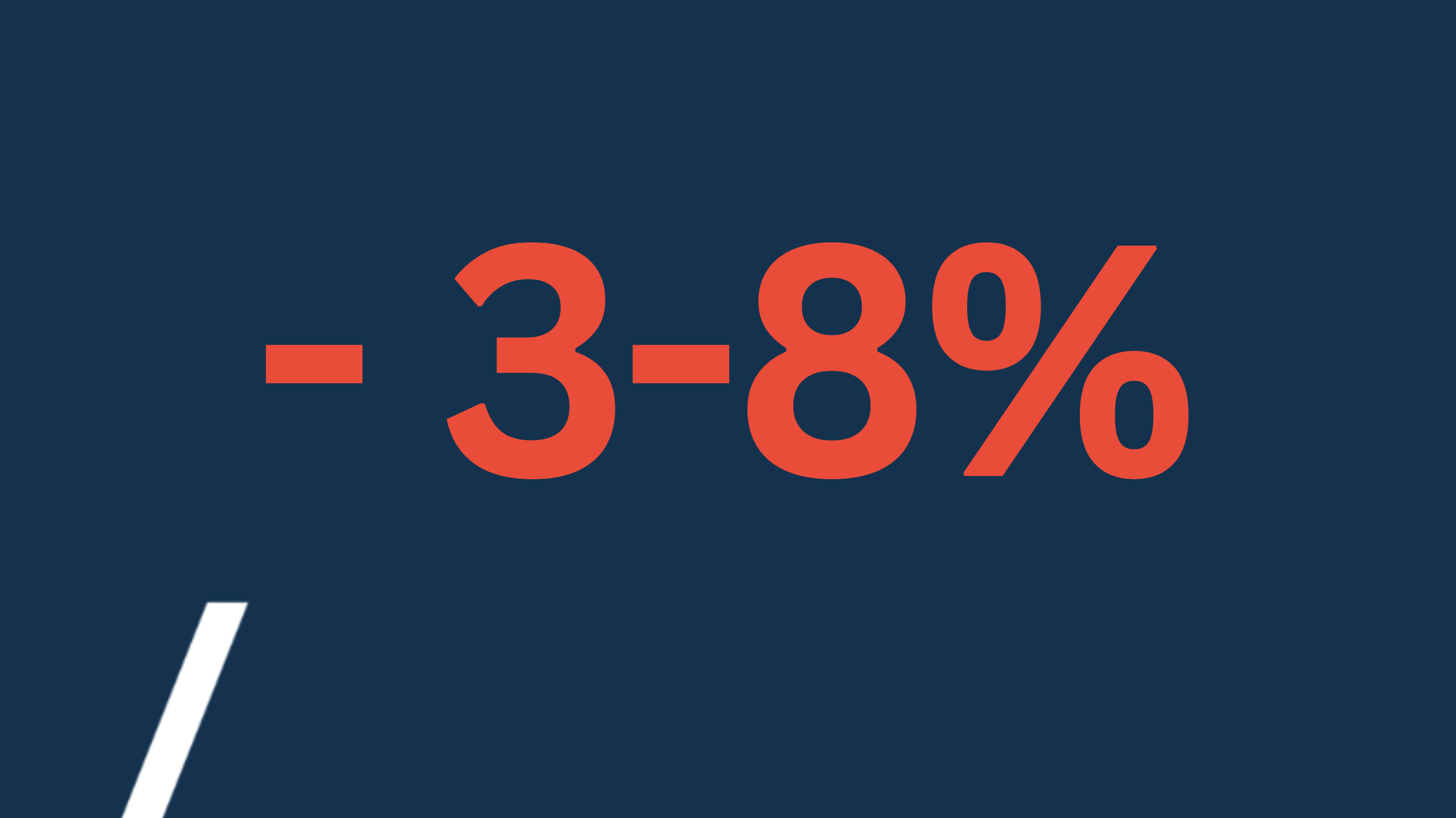
Depending on the initial situation, material costs can often be
reduced by 3-8%.
Production and Operations
In production, the focus is particularly on productivity, stability, and efficiency.
Relevant measures include:
- Increasing equipment availability (OEE)
- Reducing scrap and rework
- Optimizing workforce allocation and capacity models
- Improving indirect productivity
- Stabilizing critical manufacturing and startup processes
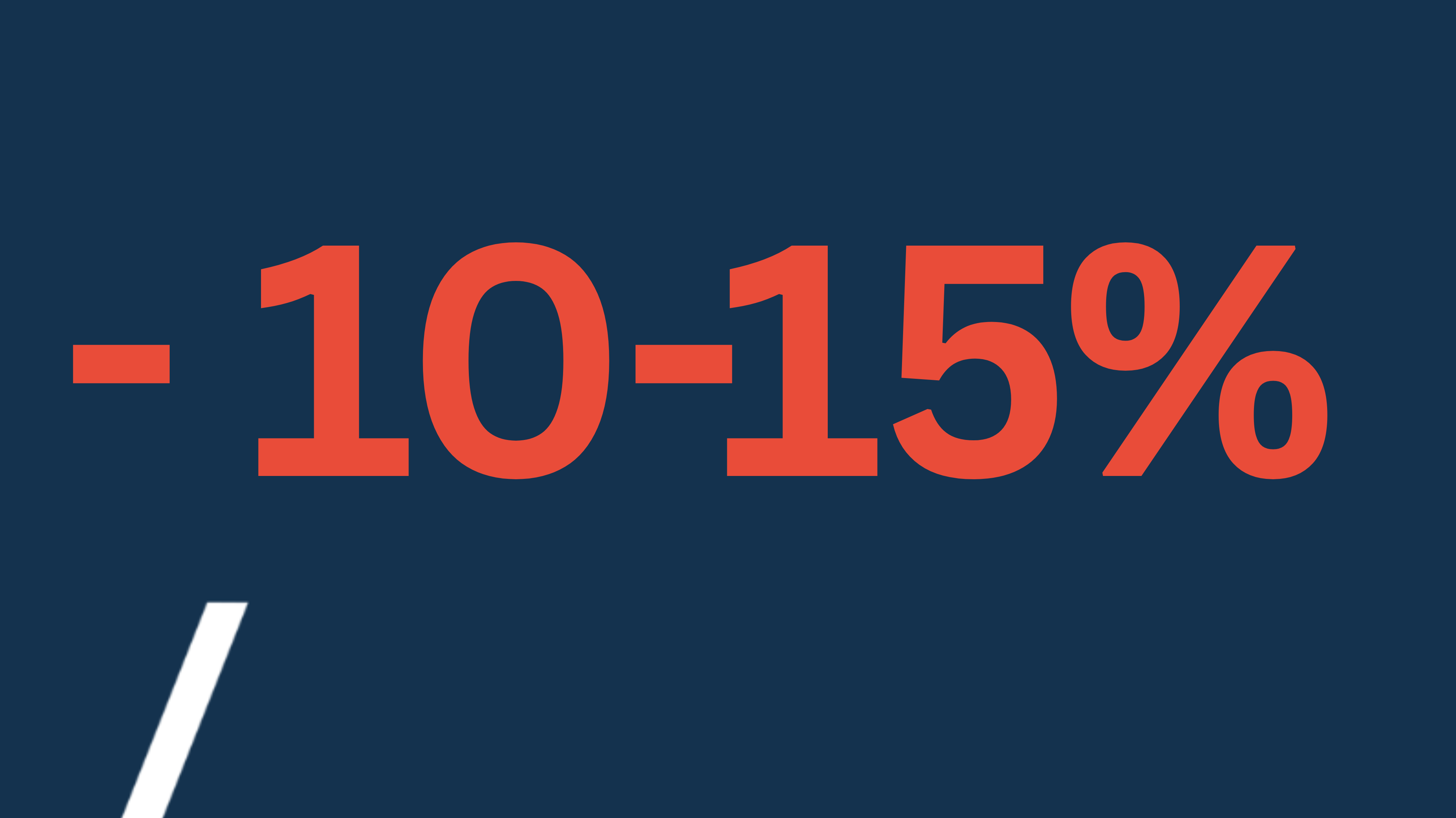
Viele Unternehmen erzielen hier Produktivitätssteigerungen von 10–15 % innerhalb weniger Monate.
Working Capital and Cash Flow
In addition to profitability, the focus is increasingly shifting toward ensuring liquidity.
Key areas of focus include:
- Reducing inventory levels throughout the entire supply chain
- Reducing safety stock and obsolete inventory
- Improving the quality of forecasting, planning, and scheduling
- Optimizing payment terms with customers and suppliers
- Shortening accounts receivable collection periods
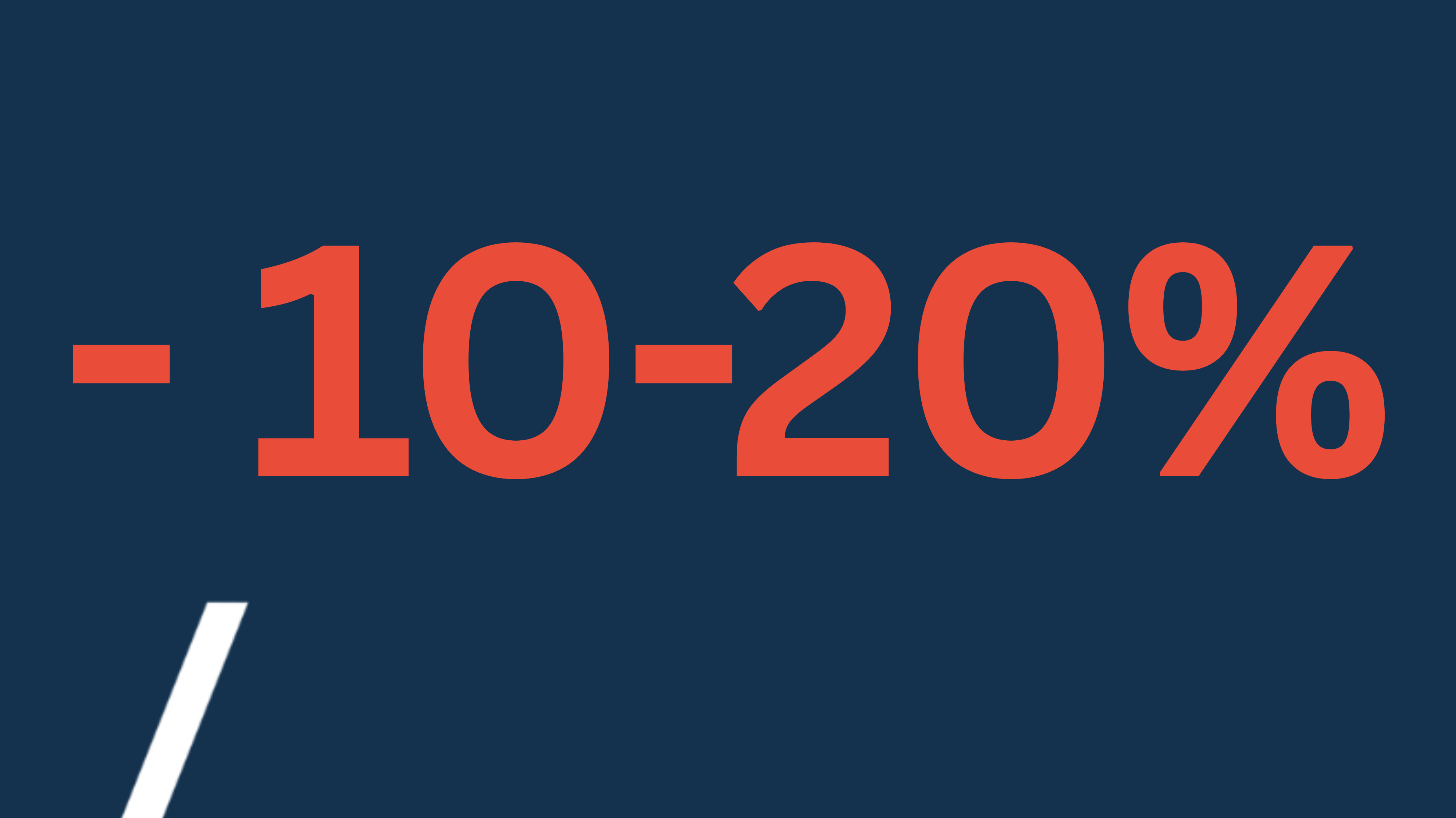
Working capital programs often enable inventory reductions of 10-20% and generate additional liquidity in the short term.
Production Network and Footprint
Structural measures become particularly important in the face of overcapacity or changing market demands:
- Consolidation of locations
- Relocation of production operations
- Alignment of capacity with actual demand
- Optimization of capacity utilization and vertical integration
When prioritized correctly and implemented consistently, these measures create the foundation for a cost and capacity structure that remains competitive over the long term.
How can potential be reliably identified within a few weeks?
Many companies lose valuable time due to lengthy analysis phases, a lack of transparency, or lists of measures that are not properly prioritized. A pragmatic approach that provides quick transparency and clear guidance is therefore essential.
Our cost-reduction program is based on three key principles.
Measures with measurable short-term effects
Speed is especially important in high-pressure situations. Companies need measures that produce visible results in terms of earnings and liquidity within a few weeks.
The following are often particularly effective:
- Purchasing and renegotiation initiatives
- Reduction of indirect costs
- Adjustment of external capacities
- Inventory reduction and working capital measures
- Prioritization of profitable product lines
- Stabilization of critical production processes
- Improvement of planning and control processes
Many of these measures begin to have a measurable impact on EBIT and cash flow within the first 8–12 weeks.
It is crucial that short-term savings not come at the expense of quality, delivery reliability, or long-term viability.
What factors ensure sustainable competitiveness?
Following short-term stabilization, the focus is now on improving long-term performance.
Goal: to make the organization more efficient, resilient, and manageable in the long term.
Operational Excellence in Manufacturing
Sustainable efficiency gains are based on standardized processes, consistent shop floor management, data-driven performance management, and robust planning and control processes. Combined with systematic problem-solving, companies create the conditions for lasting increases in productivity and performance.
Reducing Complexity
Growing product variety and long-established structures lead to significant inefficiencies in many companies. Successful companies reduce complexity by streamlining product portfolios, optimizing administrative processes, and establishing clear end-to-end responsibilities. This reduces interfaces and accelerates decision-making.
Management and Organizational Models
Sustainable improvement requires transparency and clear responsibilities. KPI-based management systems, transparent performance dialogues, and integrated management of operations and finance create the foundation for the consistent implementation of measures and sustainable improvement in results.
Effective turnaround management combines operational improvement with financial management, thereby creating sustainable competitiveness.
Combining short-term and structural measures
A successful transformation or turnaround program combines rapid analysis with consistent implementation.
Phase 1: Scoping and Potential Analysis (approx. 4–6 weeks)
- Analysis of cost, production, and cash flow structures
- Identification of key performance drivers
- Quantification of potential
- Prioritization of measures
- Development of a robust roadmap
Phase 2: Implementation and Performance Improvement (approx. 3–6 months)
- Achieving quick wins in the short term
- Stabilizing operational processes
- Implementing structural improvements
- Management through KPIs and PMO structures
- Ensuring the long-term implementation of measures
Supporting: Communication and Stakeholder Management
- Development of a clear communication strategy
- Engagement of relevant internal and external stakeholders
- Support for critical decisions and milestones
- Ensuring acceptance and the speed of implementation
Programs that take a holistic view of procurement, operations, production, and the supply chains are more successful than isolated individual initiatives.
Conclusion: Lasting improvement in earnings requires more than just cost-cutting
The challenges facing the automotive industry are not going to disappear anytime soon. This makes it all the more important to adopt an approach that quickly establishes transparency, consistently prioritizes operational levers, and effectively implements measures.
An integrated turnaround program not only improves earnings and cash flow in the short term but also strengthens competitiveness, resilience, and operational excellence in the long term. Together with our clients, we develop turnaround programs tailored to the company’s specific challenges and support them from implementation through to measurable results.
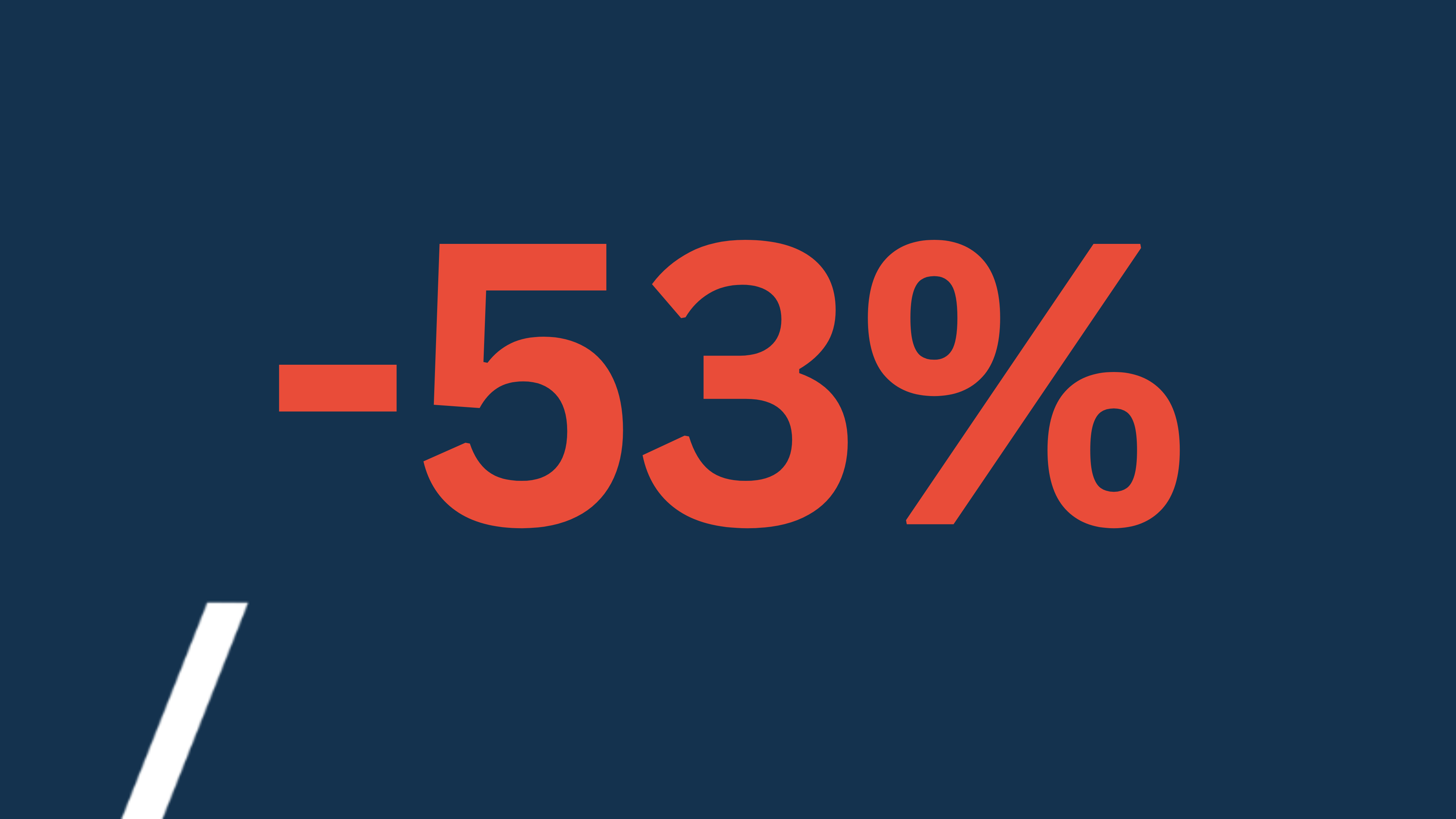
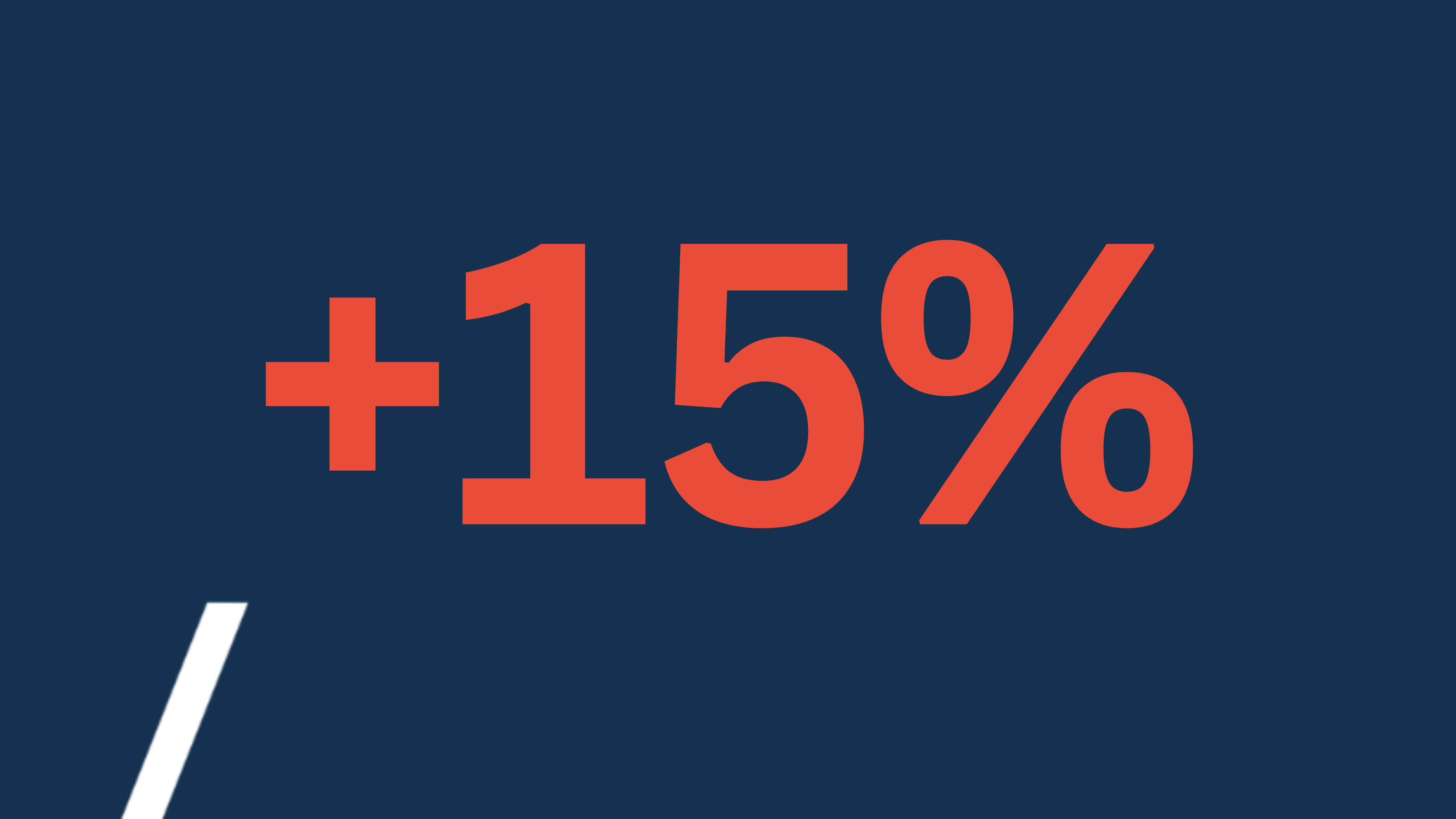
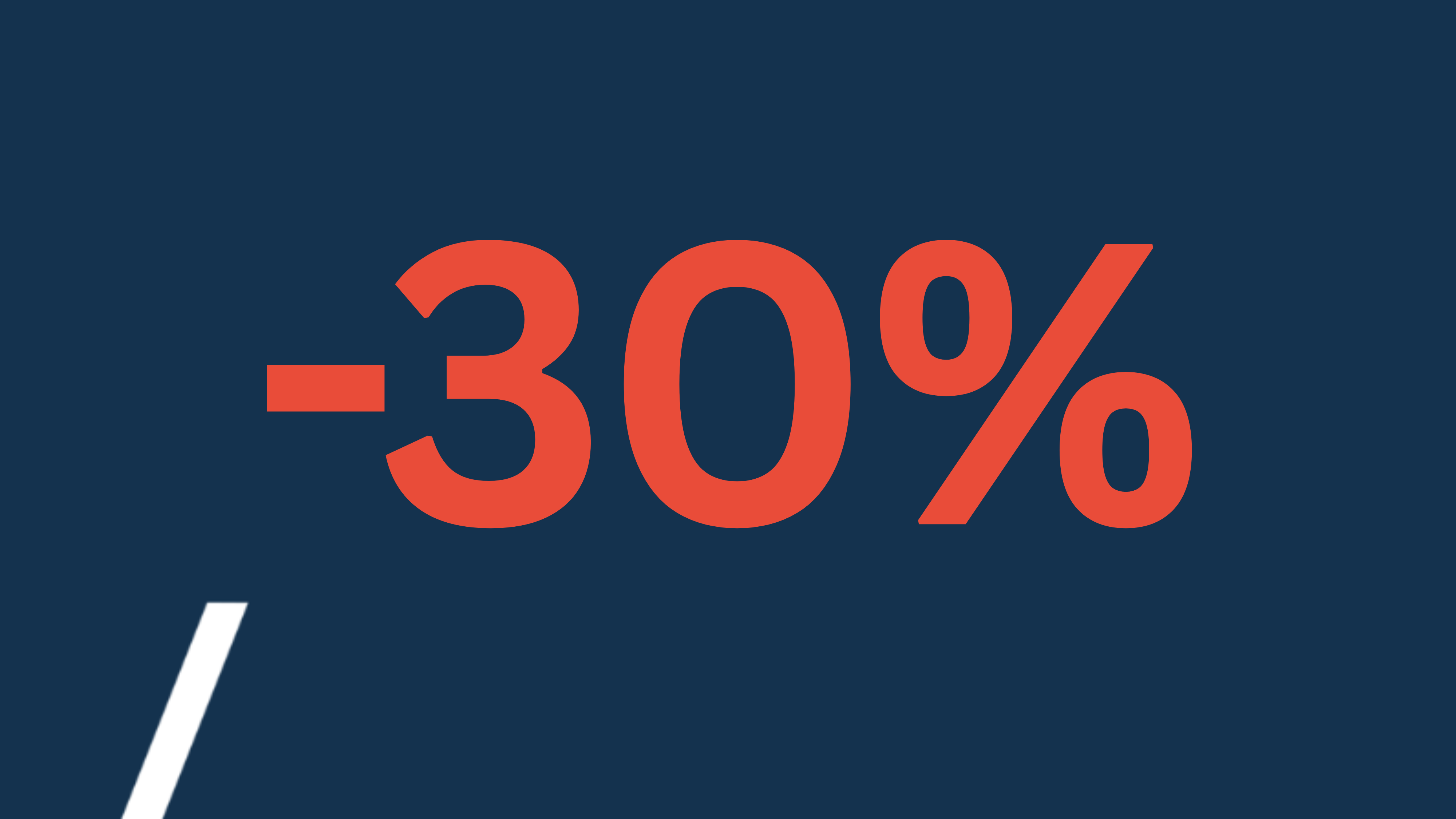
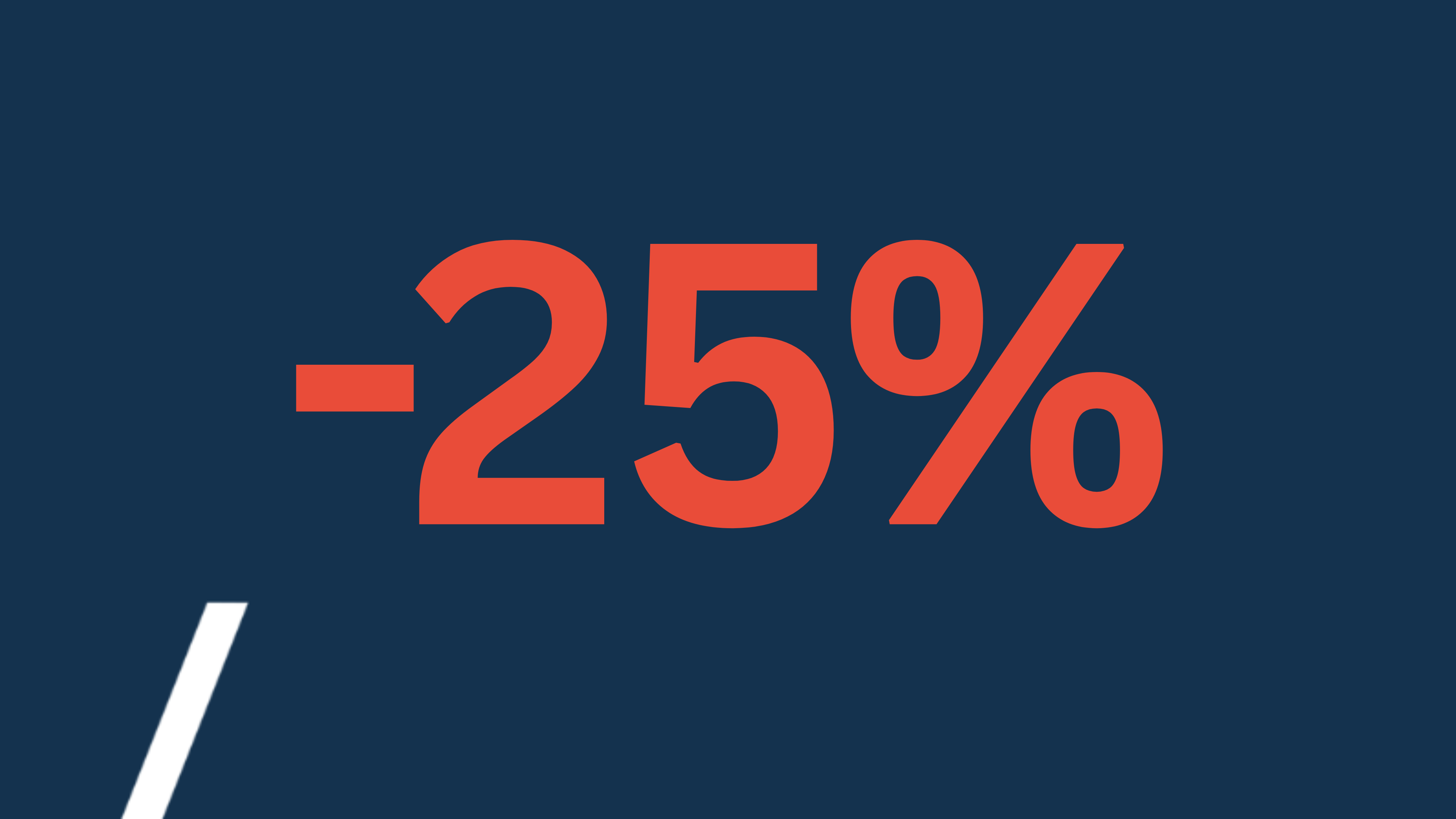
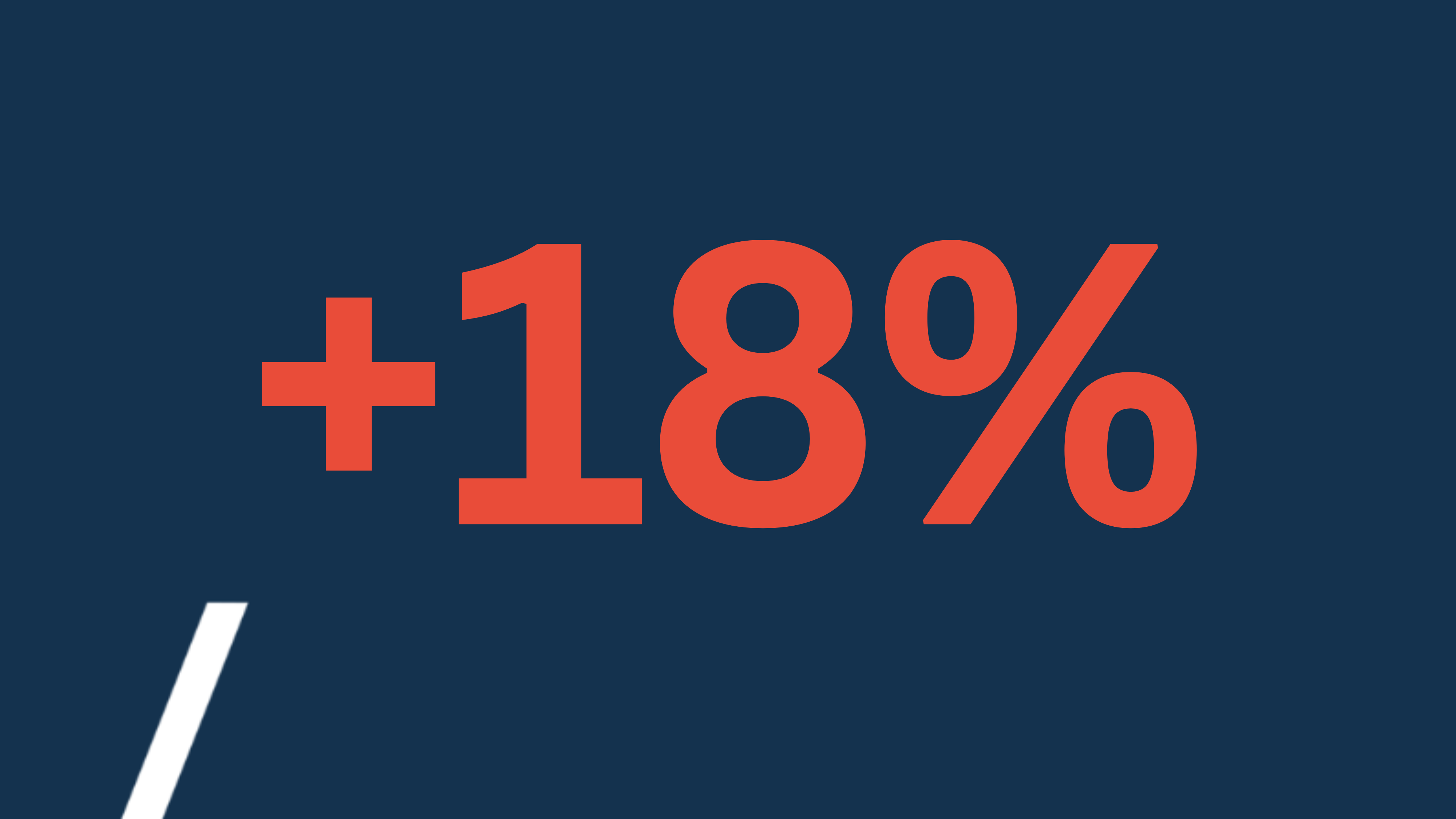
Here’s what our turnaround programs have achieved in client projects:
Achieving a
turnaround
program together
// CONTACT US NOW
Are you looking to identify opportunities for improving earnings and cash flow, or to launch a turnaround or performance improvement program?
We help OEMs and suppliers quickly identify opportunities, develop customized action plans, and achieve sustainable results in production, procurement, and the supply chain. From strategy to implementation.

Restructuring in the
automotive sector
Financial restructuring involves more than just securing liquidity. Read our latest publication to learn how companies can gain timely insight into their liquidity and financing needs and lay the groundwork for a successful restructuring.
Get insights now